I recently found myself deep in Japanese affairs and let me just say it plainly: the Muslim community is not getting any soft landing from them. The Japanese aren't sugarcoating their stance and they're definitely not escaping the “coloniser” conversation either. The tension between both groups has become a whole documentary at this point, with each side standing firmly on its beliefs and boundaries.
To begin with, many Muslims in Japan have raised concerns about how central pork is to Japanese cuisine, something that clashes directly with Islamic dietary laws. They have also pointed out that the Japanese style of burial goes against Islamic practices. In trying to seek land for proper Muslim burials within Japan, they were met with a blunt response from the government: land is scarce and if the burial rituals are that important, bodies should be transported back to their home countries. No diplomacy. Just straight talk.
Another point of conflict is the cultural acceptance of the hijab. While some Muslims used to travel long distances just to find halal groceries, the gradual increase in halal-certified restaurants has made life a bit easier. Still, the Japanese sentiment remains the same: visitors and immigrants must adapt to Japanese culture, not the other way around. And that message is communicated without filters.
Things escalated even more when a video went viral showing Muslims praying in a public area and obstructing movement. Japanese citizens were outraged, arguing that there are designated places of worship and that blocking public pathways is unacceptable. What followed was a heated online battle, filled with insults and cultural jabs thrown back and forth. It was messy.
Because of the rising Muslim population, visible through more mosques, especially in places like Osaka, some Japanese citizens have openly called for Muslims to leave. The requests for adjusted school or work schedules to accommodate daily prayers added more fuel to the fire. Meanwhile, Muslims see Japan's growing Islamic community as a sign of progress, even hoping to see a Muslim protagonist in anime someday.
Amid these cultural disagreements, conversations about Japanese society itself surfaced. Many people argue that Japan practices the most straightforward form of discrimination: no pretence, no polite masking, just a direct “we don't want this”. And in contrast, some Japanese citizens have turned their frustrations towards certain Western tourists who behave without decorum, ignoring local rules, touching things they should not and generally acting above the culture they stepped into.
Japan's internal issues have not helped global perception either. It is hard to forget that a Japanese lawmaker once seriously proposed removing women's wombs after a certain age and restricting their education as a solution to the country's declining birth rate. That idea alone exposed a much deeper issue of gender inequality.
On the topic of gender, discussions about prostitution in Japan revealed a clear divide: men often support it as long as it is consensual, while many women find the practice degrading and firmly reject the idea that their bodies should be commodified. This split reflects larger societal tensions around women's rights.
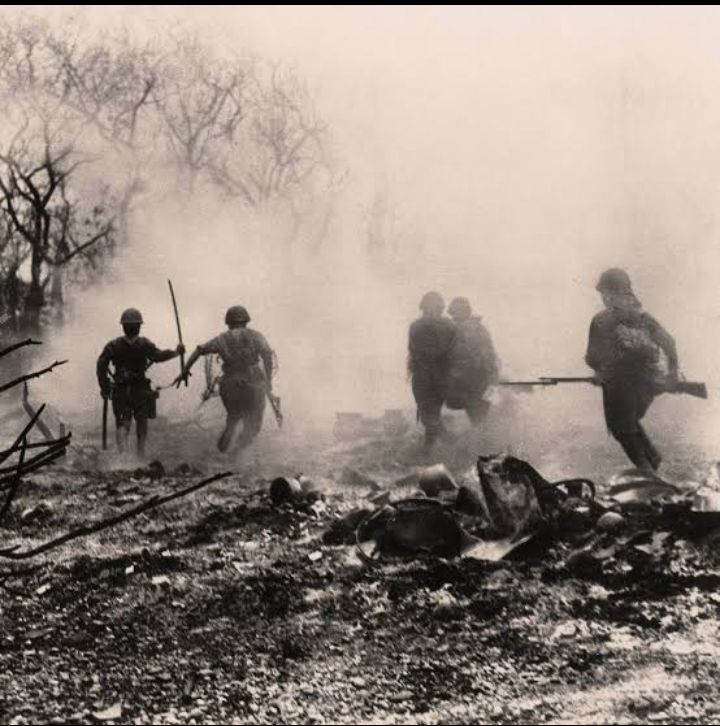
Then there is the conversation that Asians across the continent continue to remind the world about: Japan's historical violence, ethnic cleansing and the massive rebranding that washed those crimes out of global memory. Many argue that the “Japan” admired today is a carefully polished image covering an uncomfortable past, one that other Asian countries have not forgotten.
There are also bizarre cultural claims, like the obsession some Japanese men allegedly have with women's underwear, stories of stolen panties being sold online for outrageous amounts. Whether exaggerated or not, it adds to the long list of criticisms Japan faces. And to top it all off, some people go as far as saying anime itself played a role in Japan's global rebranding after the world wars, a way to shift attention from war crimes to colorful storytelling.
At the end of the day, the core message coming out of these conversations is simple: respect people's boundaries. Tourists are being warned to stop treating Japanese children like props for their travel content. And through all of this, one thing is clear. Asian countries have long memories. They do not forget wrongs easily and they certainly won’t let Japan rewrite history without challenges.