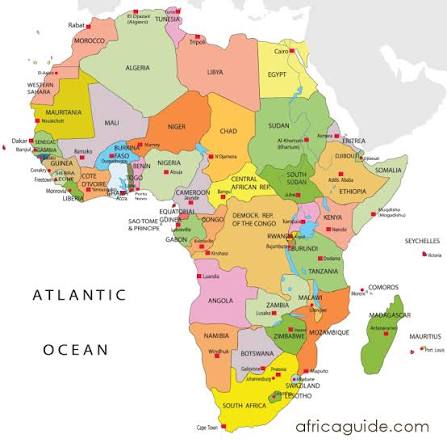
The World Health Organization and the Africa Centers for Disease Control and Prevention have launched a six-month emergency plan to contain Ebola outbreaks in the Democratic Republic of Congo and neighboring Uganda, while shoring up defences across the continent.
The strategy, costed at 319 million dollars, is designed to support all 55 African Union member states. Most of the funding, 265 million dollars, is earmarked for frontline response in DR Congo and Uganda, where health systems are under intense pressure. A further 54 million dollars will support preparedness in 10 countries deemed at high risk because of porous borders, population movements and fragile health services.
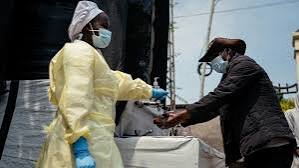
In eastern DR Congo, where the Bundibugyo strain of Ebola is driving the current crisis, authorities are racing to slow transmission through basic but critical hygiene measures. In Bunia, the capital of Ituri province and the epicentre of the outbreak, health workers in protective gear move through crowded markets spraying disinfectant on stalls and walkways. Loudspeakers urge traders and shoppers to wash their hands frequently and report any signs of fever or unexplained bleeding.
Religious leaders have been enlisted to reinforce public health messages. Several churches in Bunia and surrounding towns now require worshippers to wash their hands at the entrance, and many encourage the use of masks during services. Sermons increasingly include appeals to cooperate with medical teams and to avoid traditional burial practices that involve touching the dead.
Despite these efforts, mistrust and fear remain potent obstacles. In Ituri, groups of young men recently stormed Mongbwalu General Hospital, demanding the release of two bodies for burial according to local customs, in defiance of infection-control rules. Over the past week, three health facilities treating Ebola patients have been attacked by residents who accuse authorities of exaggerating the threat or profiting from the crisis.
The Bundibugyo virus, a rare Ebola subtype first identified in Uganda, complicates the response. Unlike the Zaire strain targeted by existing vaccines, there is currently no licensed vaccine for Bundibugyo, leaving health workers reliant on isolation, contact tracing and community engagement to break chains of transmission.
According to the Congolese health ministry, the outbreak has already claimed more than 200 lives, with over 900 suspected cases reported. WHO officials warn that without sustained funding, security for health workers and genuine community trust, the virus could spread further within DR Congo and beyond its borders.