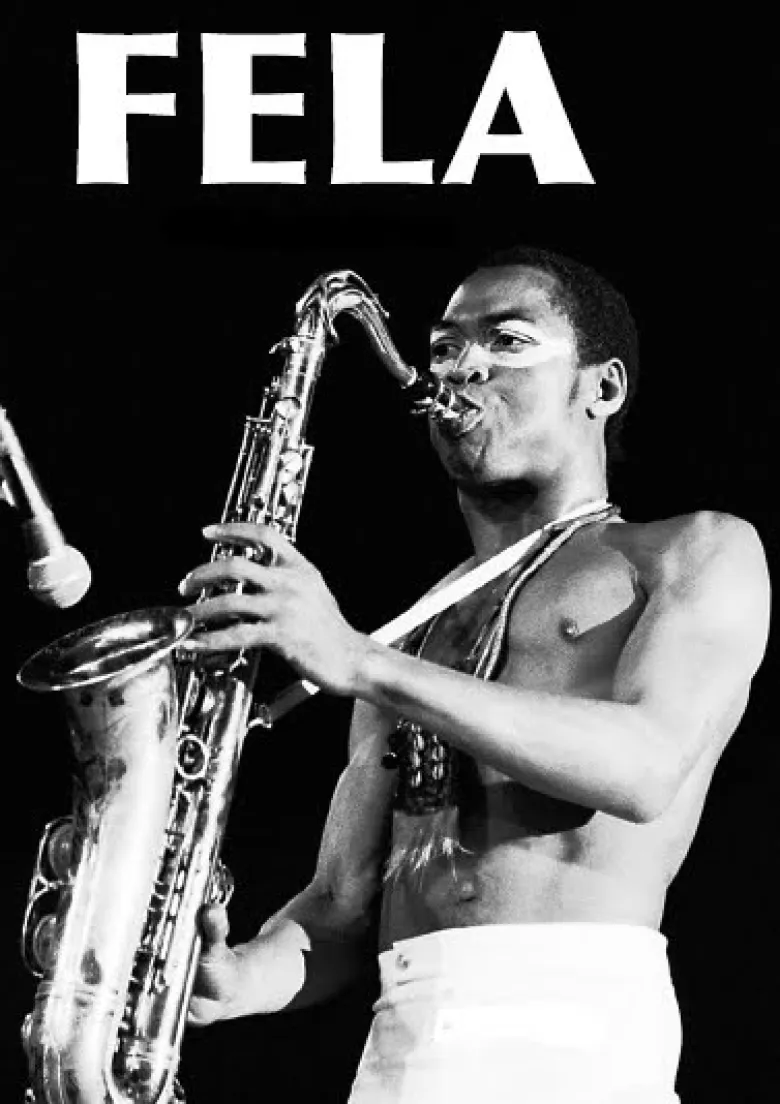
In the early 1970s, Lagos, Nigeria, was a city of vibrant music and culture. Amidst the bustling streets of FESTAC Town, a charismatic musician named Fela Anikulapo Kuti was about to make his mark.
Fela, a pioneer of the Afrobeat genre, had returned to Nigeria after studying music abroad. He was determined to use his music as a form of social commentary, speaking out against corruption, oppression, and social injustice.
In 1970, Fela founded the Kalakuta Republic, a communal compound that served as a recording studio, rehearsal space, and living quarters for his band, the Africa '70. The compound became a hub for creative expression and a symbol of resistance against the Nigerian government's oppressive regime.
Fela's music was a fusion of traditional Yoruba rhythms, jazz, and funk, with lyrics that critiqued the government and societal norms. His songs like "Zombie" and "Expensive Shit" became anthems for the Nigerian youth, who were frustrated with the government's corruption and brutality.
The Kalakuta Republic was more than just a music collective; it was a cultural movement. Fela's music and message of resistance inspired a generation of Nigerians to speak out against injustice and fight for their rights.
In 1977, the Nigerian government, tired of Fela's criticism, sent a team of soldiers to raid the Kalakuta Republic. The compound was burned to the ground, and Fela's mother was thrown from a window, resulting in her death. The attack only strengthened Fela's resolve, and he continued to use his music as a powerful tool for social change.
Fela Kuti's legacy extends beyond his music; he is a symbol of resistance and a champion of human rights. His story is a testament to the power of art to challenge authority and inspire change.