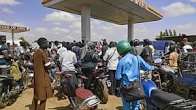
In Bamako, motorcycles are more than a mode of transport; they are the nervous system of the city. From the crowded arteries of the capital to the sandy tracks of outlying neighborhoods, two-wheelers carry workers, students, goods and entire families. For many low-income households, a motorcycle is the only asset that can reliably generate daily income.
In the riverside Fleuve district, motorcycle taxi driver Ibrahim Traoré zigzags through traffic from first light, shuttling passengers across town. Like many riders, he does not own the bike he uses. The government’s decision to make registration compulsory for all motorcycles and tricycles has left him uneasy.
If we are asked to go and stand in long queues for registration, it is really difficult for us. Most of the motorcycles we ride do not belong to us. That is not a problem in itself, but it directly affects our families because we earn our living day by day and, given the current situation in the country, everything is expensive, he said.
The authorities argue that the new system is essential to restore order to Mali’s chaotic two-wheeler traffic and to strengthen security in a country grappling with armed groups, banditry and rising urban crime. Unregistered motorcycles are frequently cited by security services as vehicles of choice for robberies and hit-and-run attacks, particularly in the center and north of the country.
Everyone must have a vehicle registration certificate, and every tricycle must also have one. That is why people need to come forward and complete the necessary procedures so they can be served. After the inspection and payment, customs and our services are now connected through a computerized system, explained Diakaridia Diallo, regional director for transport in Bamako.
Supporters of the measure say a comprehensive database of motorcycles will help trace stolen vehicles, identify offenders after accidents and improve tax collection. Some citizens, like Bamako resident Mohammed Aly Ag Alyda, see it as a necessary step.
People understand why it is necessary to register motorcycles. It is for our safety. I encourage all Malians to do it as quickly as possible, he said.
Yet beneath the official assurances lies a central dilemma: how to enforce the law without pushing thousands of informal workers further into precarity. Many riders fear registration fees, fines and lost working hours in queues they can ill afford. Civil society groups and transport unions are urging the government to simplify procedures, reduce costs and roll out awareness campaigns in local languages.
For now, the success of the operation will depend on whether authorities can convince the most vulnerable that the promise of greater security outweighs the immediate strain on already fragile livelihoods.