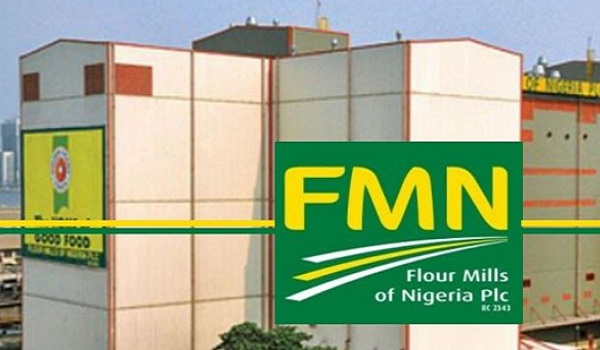
Back in 1960, just as Nigeria gained independence, a company was established in Lagos with a straightforward mission: produce flour locally instead of relying heavily on imports. That company would become Flour Mills of Nigeria (FMN), now one of the biggest names in the country’s food sector.
At the center of its rise is the iconic brand Golden Penny. What started as basic flour expanded into a wide range of everyday staples—pasta, noodles, semovita, sugar, and edible oils—products that quietly became part of millions of Nigerian households.
But the journey wasn’t smooth.
The Core Challenge: Dependence on Imports
Nigeria doesn’t produce enough wheat locally due to climate constraints. For decades, FMN relied heavily on imported wheat, exposing the company to currency fluctuations, port congestion, and global supply shocks. Anytime the naira weakened, production costs spiked.
The Strategic Pivot: Backward Integration
Rather than accept this vulnerability, FMN made a long-term bet: invest in local agriculture. They began working directly with Nigerian farmers—especially in crops like cassava, maize, and sorghum—to reduce dependence on imports.
This wasn’t easy. Farming infrastructure, logistics, and consistency of supply were major hurdles. But over time, they built out an agro-allied network that linked farmers to industrial processing. It helped stabilize parts of their supply chain and created jobs across rural communities.
Scaling Beyond Flour
FMN didn’t stay a “flour company.” It expanded into:
Animal feeds (supporting Nigeria’s poultry and livestock sectors)
Fertilizers (helping farmers increase yields)
Logistics and distribution (to control supply chain efficiency)
6






.jpeg?alt=media&token=96b327a5-8e62-4ed1-a078-308aff149ed1)