Iranian forces launched coordinated airstrikes on targets in Bahrain and Kuwait, in what Tehran described as a direct retaliation for recent United States attacks along Iran’s southern coast. Iranian state media also claimed missiles were fired toward an airbase in Jordan used by US troops, though officials in Washington and Amman did not immediately confirm any impact or damage.
Iranian military spokespeople said the operation was aimed at “military and intelligence infrastructure” supporting US operations in the Gulf. They cited earlier American strikes near the strategic port of Bandar Abbas and the island of Qeshm, both key nodes for Iran’s naval and air defenses along the Strait of Hormuz.
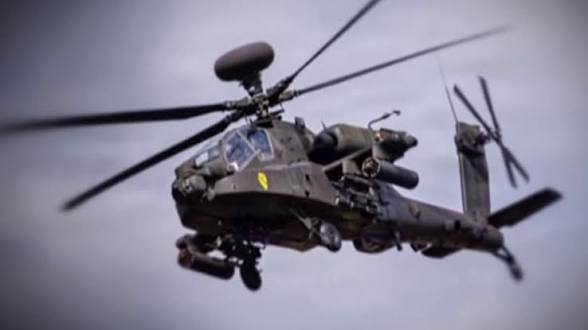
Those US strikes were themselves a response to an Army Apache helicopter crash near the narrow waterway, a chokepoint for a significant share of the world’s oil shipments. According to a US official speaking on condition of anonymity, the helicopter went down after colliding with an Iranian drone operating in the area. Investigators have not determined whether the drone’s proximity was deliberate or the result of miscalculation in an increasingly crowded battlespace.
The two American aviators aboard the Apache were pulled from the water by an unmanned surface vessel adapted for search-and-rescue missions. Pentagon officials said both crew members were recovered safely and suffered no serious injuries.
The incident has further derailed already fragile diplomatic efforts. US officials had recently signaled cautious optimism that back-channel talks, facilitated by regional mediators, might produce a framework to scale back hostilities with Iran. Instead, each side has doubled down, with Tehran framing its strikes as “legitimate defense” and Washington insisting it will respond to any attack on its forces or partners.
The broader conflict, which has drawn in Israel and seen repeated exchanges of fire with Iranian-backed Hezbollah in Lebanon, is reverberating far beyond the battlefield. Disruptions to shipping routes and energy infrastructure have pushed global oil prices higher, feeding inflation and driving up the cost of basic goods in many countries.
Efforts to convert a previous ceasefire into a lasting political settlement have stalled amid mutual distrust and domestic pressure on leaders across the region. With Iran now openly targeting states that host US forces, analysts warn that the risk of a wider regional war is rising, even as diplomats scramble to restore channels of communication and prevent further escalation.