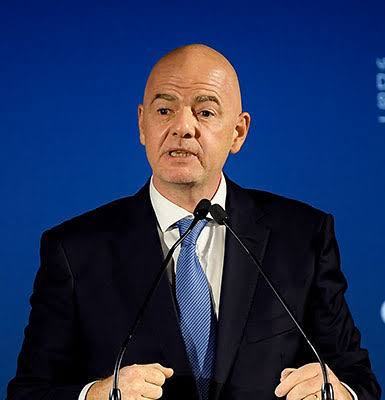
Senegal’s dramatic Africa Cup of Nations triumph over hosts Morocco, a match that should have been remembered for footballing glory, has instead plunged African football into a storm of controversy and condemnation. FIFA president Gianni Infantino has branded the chaotic scenes that marred the final as “unacceptable,” calling for strong disciplinary action and warning that the integrity of the sport is at stake.
The final in Rabat, already charged with emotion as Morocco sought to crown a landmark tournament on home soil, descended into turmoil deep into stoppage time of a tense 0-0 contest. Senegal believed they had scored what looked like a title-winning goal, only for the referee to rule it out for a foul in the buildup. The decision infuriated Senegal’s players, coaches and supporters, who felt a historic victory had been snatched away.
Moments later, the tension escalated further. Following a video assistant referee review, the officials awarded Morocco a penalty, judging that star forward Brahim Díaz had been pulled down in the area as a corner was taken. For Senegal, already seething over the disallowed goal, the decision was the breaking point. Convinced that the hosts were benefiting from favorable refereeing in a tournament widely seen as a showcase for Morocco’s role in co-hosting the 2030 World Cup, the Senegal bench erupted.
Senegal coach Pape Thiaw, at the center of the storm, motioned to his players to leave the pitch in protest. The team walked off, heading toward the locker room and refusing to allow Díaz to take the penalty that could have decided the title. The match was halted for nearly 15 minutes as officials, security personnel and tournament organizers scrambled to restore order and persuade Senegal to return.
In the stands, the situation deteriorated further. Outraged Senegal supporters vaulted barricades and spilled into photographers’ areas behind one of the goals. Some hurled chairs onto the pitch, while others clashed with stewards before police intervened to push them back and re-establish control. The spectacle, broadcast around the world, was a stark contrast to the image African football’s leaders hoped to project.
Infantino, who attended the final in person, reacted swiftly and sharply. Posting on social media, he condemned both the walk-off and the violence that followed, insisting that such behavior had no place in the game.
“The ugly scenes witnessed must be condemned and never repeated,” he wrote, stressing that leaving the field in protest and resorting to aggression undermined the very foundations of football. He added that teams must respect the decisions of match officials, whether on the pitch or via video review, and that disputes must be handled within the framework of the Laws of the Game.
Infantino called on the Confederation of African Football to act decisively, saying he expected CAF’s disciplinary bodies to take “appropriate measures.” CAF later issued its own statement, describing the incidents as “unacceptable” and confirming that it was reviewing all available footage. The confederation said it would refer the matter to its competent judicial bodies to determine sanctions for those found responsible.
At the heart of the disciplinary debate is coach Pape Thiaw, who faces the prospect of severe punishment for leading his players off the field. The key question now is whether any ban would be limited to CAF competitions or extend to FIFA events, including the upcoming World Cup in North America. Senegal is scheduled to open its World Cup campaign against France at MetLife Stadium, before facing Norway at the same venue.
Morocco’s football authorities have also moved to escalate the matter. The Royal Moroccan Football Federation announced that it would file formal complaints with both FIFA and CAF, arguing that Senegal’s withdrawal from the pitch, and the disturbances that accompanied it, disrupted the normal course of the match and affected the players’ performance. The federation insisted that the penalty awarded to Morocco had been deemed correct by refereeing experts and called for legal procedures to clarify responsibility for the chaos.
When play finally resumed in Rabat, the footballing drama took another extraordinary twist. In the 24th minute of stoppage time, after the long delay and amid a feverish atmosphere, Brahim Díaz stepped up to take the penalty that could have delivered Morocco the title. Instead, he produced one of the most ill-fated spot kicks in recent memory.
Attempting a delicate Panenka-style chip, Díaz misjudged both power and height. The ball floated weakly and too low, allowing Senegal goalkeeper Édouard Mendy to make an easy save. The miss stunned the home crowd and seemed to shift the psychological balance decisively in Senegal’s favor.
The match went into extra time, and Senegal seized their second chance almost immediately. Just four minutes into the added period, Pape Gueye unleashed a powerful shot that beat the Moroccan goalkeeper and secured the trophy for Senegal. On the pitch, the players celebrated a hard-fought victory; off it, the debate over how that victory had been achieved was already raging.
Infantino, while congratulating Senegal on their success and sending his best wishes to Senegalese Football Association president Abdoulaye Fall, reiterated that triumph on the field could not excuse misconduct. He emphasized that players and teams carry a responsibility to set the right example for fans in the stadium and millions watching worldwide.
Morocco coach Walid Regragui did not hide his frustration with how the final unfolded. He described the scenes as a “shameful” image for African football, arguing that the long delay before Díaz’s penalty had clearly affected the player’s composure. Regragui criticized Thiaw’s decision to pull his team from the field, suggesting that the spectacle would damage the continent’s reputation at a time when African football is striving for greater global respect.
Díaz himself issued a deeply personal statement after the match, apologizing for his missed penalty and acknowledging the pain felt by Moroccan supporters. He said he had dreamed of delivering the title for his adopted nation and accepted full responsibility for his failure from the spot. He vowed to keep fighting to repay the faith and affection shown to him, even as he admitted that the emotional wound would not heal easily.
CAF’s disciplinary process now looms over both finalists. While the confederation’s initial statement did not explicitly name Senegal, it firmly rejected any inappropriate conduct directed at referees or organizers and signaled that sanctions are likely. The outcome of those proceedings will shape not only the immediate futures of Thiaw and several players, but also the broader debate over how African football handles dissent, officiating controversies and crowd control.
For FIFA, the AFCON final has become a test case in its ongoing effort to enforce discipline and protect match officials in an era of heightened scrutiny and emotion. Infantino’s intervention underscores the stakes: if walking off the pitch and sparking unrest becomes an accepted form of protest, the global governing body fears that the authority of referees and the credibility of competitions could be irreparably damaged.
What should have been a celebration of African football’s growth and Morocco’s emergence as a major stage for the global game has instead left a troubling question hanging over the continent’s flagship tournament. Senegal are champions, but the manner in which the final unfolded ensures that the legacy of this AFCON will be contested far beyond the final whistle.