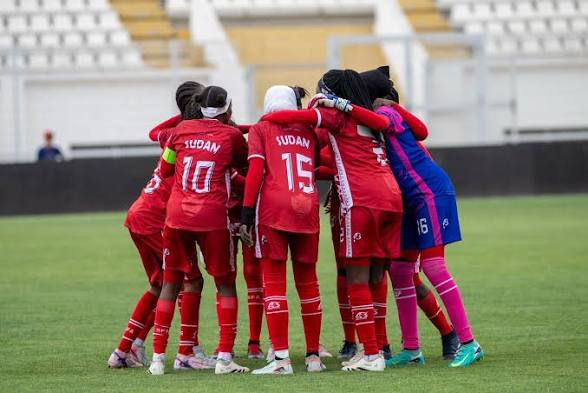
The red shirts of Sudan’s under-17 women’s team flashed against the grass at Larbi Zaouli Stadium in Casablanca, a vivid streak of color from a country torn apart. Most of the players were still in school. Some had escaped front lines and looted neighborhoods. For many, this was their first time inside a major stadium, let alone on the pitch.
They were outmatched from the opening whistle. Comoros, with several players based in Europe, routed Sudan across two qualifying games on the road to the 2028 Los Angeles Olympics, scoring 30 goals without reply. The Sudanese girls wept at the final whistle, consoled by a handful of fans and each other.
Yet for them, simply being there was a victory. It was Sudan’s first appearance in international women’s soccer since civil war erupted and shut down almost every organized sport. In a country where women’s bodies in motion have long been treated as a moral threat, their presence on the field was an act of defiance.
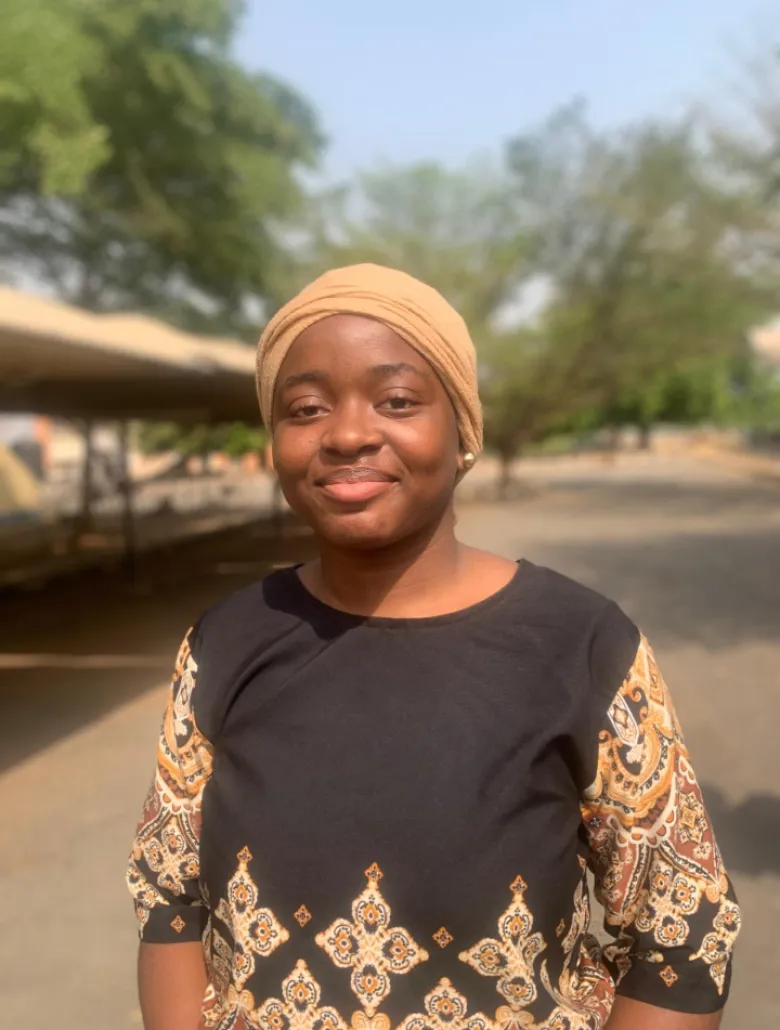
“My goal is to lift up soccer in my country,” said 17-year-old captain Nura Mohamed. “At the end of the day, I just love playing.”
Coach Burhan Tia, a veteran of Sudanese football, had been given an almost impossible task: rebuild a women’s program in the middle of a war. With the domestic league suspended, he scoured schools and informal pitches across Sudan and in neighboring Egypt, where many families had fled. Ten players came from Cairo academies, the rest from scattered Sudanese cities.
He wanted to recruit from conflict-scarred regions like Darfur and Kordofan, famed for producing elite athletes, but many girls had lost their identity papers, making them ineligible under international age rules. Even reaching training camps became a gamble, as journeys that once took hours stretched into days on unsafe roads.
Off the field, the team carries the weight of Sudan’s culture wars. Under former president Omar al-Bashir’s Islamist rule, Public Order Laws policed women’s dress and movement. Conservative clerics denounced women’s football as an assault on religion. Even now, players endure online abuse, with social media comments telling them to “go back to the kitchen.”
For officials like Manal Ali Bushra, who heads the women’s soccer committee, the teenagers in red represent a fragile future. Plans for new facilities and renovated stadiums are tentative, funding opaque, and the war still raging. But for 90 minutes in Casablanca, Sudan’s girls claimed a patch of grass and a different story for their country.