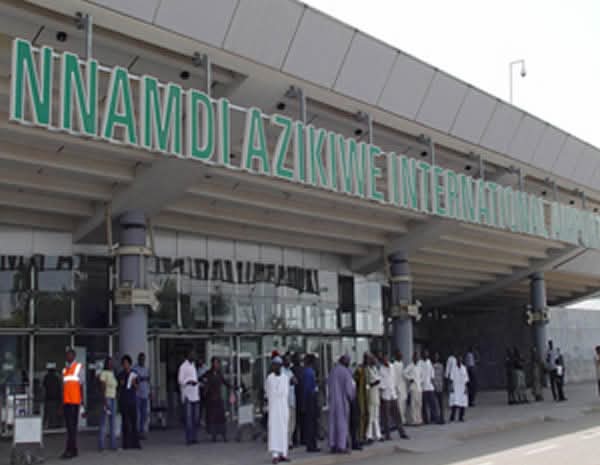
The Nnamdi Azikiwe International Airport in Abuja has recorded more than 10,000 registrations for the Federal Airports Authority of Nigeria’s Go Cashless card, as authorities push ahead with a nationwide ban on cash payments at airport toll gates.
Airport Manager Ahmed Danjuma confirmed the figure in an interview with the News Agency of Nigeria, describing it as a significant milestone in the full rollout of the cashless tolling system at the country’s second-busiest airport.
He said the temporary traffic gridlock witnessed at the airport toll plaza during the early phase of implementation stemmed largely from last-minute compliance by motorists who had ignored earlier calls to register for the electronic payment cards.
Registration for the Go Cashless cards began months before the full switch, but many regular users of the airport access road delayed signing up despite repeated sensitisation campaigns by FAAN through public announcements and notices at the terminal and toll points.
Danjuma explained that the cashless directive is part of a broader federal policy to eliminate physical cash handling at toll gates and other revenue points, with the twin goals of improving transparency and plugging leakages in government income.
Under the new system, motorists obtain a FAAN-issued card, load value onto it, and simply tap at the toll barrier for automatic access. Cash payments are no longer accepted at any FAAN-controlled gate, and officials have been instructed to strictly enforce the rule.
According to Danjuma, the reform is designed to optimise revenue collection, reduce opportunities for fraud, and modernise airport operations in line with global standards. He noted that previous administrations had announced similar intentions but failed to fully implement them.
Some airport users who spoke with NAN welcomed the policy, saying the electronic system, once fully adopted, should speed up vehicle movement, reduce disputes over toll charges, and create a clearer audit trail for government earnings.
They argued that a more efficient and accountable tolling regime could help reposition Nigeria’s aviation sector, making it more attractive to investors and better aligned with international best practices.
However, several users urged authorities to ensure that the additional revenue generated through the cashless system is visibly reinvested in airport infrastructure, including better access roads, improved parking facilities, and enhanced passenger services across the country’s terminals.