“Lights, camera, action!”
“Can I please get some sleep?” Kate murmured, shifting restlessly under her blanket.
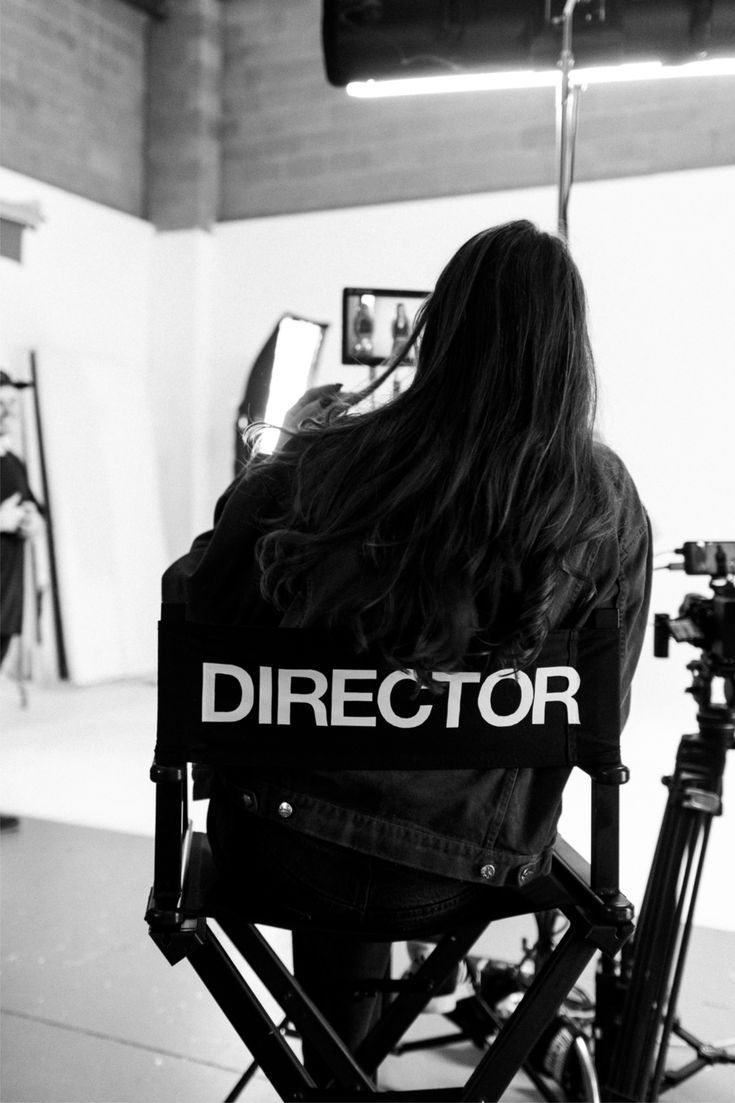
I winced, silently mouthed an apology, and returned my gaze to the mirror. I had been practicing my director’s voice for the last five minutes—deep, steady, confident—trying to adopt an aura of someone who truly knew their way behind the lens. I was aiming for those Funke Akindele vibes, or at least what I could muster at 1 a.m.
Excitement buzzed through me. Tomorrow was the big day! After years of dreaming about it since secondary school, my first short film was finally going to leap from the pages of my notebook into the real world. Sure, it was a low-budget student project, but I would be the one directing, shaping it from beginning to end.
I turned off the lamp, slid under the covers, and stared at the ceiling in the dark. My mind was a whirlwind of thoughts.
The day would start early in the university’s old lecture hall—grimy concrete walls, peeling paint, and tall windows that would flood the room with beautiful natural light, just what we needed for the mood we were going for. It was a free venue with course mate as the crew and rented equipment. Everything felt fragile yet charged with potential.
In those first moments, everyone was buzzing, getting set up. Then the rented camera started acting up—freezing, refusing to focus. The welfare officer dashed back to the department to grab a replacement while the rest of us waited, feeling the minutes slip away. We laughed it off and kept moving.
Then our only practical light flickered ominously. With no backup in sight, we took a chance and decided to shoot, hoping it would hold up.
Just before a key dialogue scene, one of the actors pulled me aside, speaking gently. “I was thinking… maybe we could soften this line a bit, make it feel more vulnerable.”
I had been attached to this script for months and knew how I wanted the scene to play out. For a moment, I felt the impulse to say, “Trust me, this is how it needs to be.” But instead, I paused and remembered why I loved this craft: it’s about collaboration, not just control.
I envisioned calling everyone over for a quick discussion. We talked it through, and her suggestion genuinely surprised me—it enriched the moment. As we blended our ideas, the scene improved.
“Action!” I shouted, adrenaline coursing through me in a way I had only ever dreamed of.
Then, just like that, the light went out completely. “Cut!”
We reset. Sunlight poured in through the large windows, changing our shadows. “Cut.”
Suddenly, the camera battery gave out mid-scene. The director of photography shrugged, saying, “The spare's dead too.”
By early afternoon, we were significantly behind schedule. Golden hour was slipping away, and we hadn’t even gotten a clean take yet. Panic set in.
“Hold!” I found myself commanding.
The crew froze, and someone muttered, “We’re losing daylight.”
Indeed, we were. Quickly.
I took a deep breath. “Okay, new plan. Let’s do close-ups. We’ll capture whatever we can while there’s still some light. We’ll tackle the wider shots tomorrow if needed. Let’s move fast!”
We chased the fading sunlight like it owed us something. The air was filled with a mix of frantic energy, laughter, and a few choice words. Finally, we managed to pull off a take that felt vibrant and alive.
We finished late, exhausted. The footage was shaky, with some unintended ceiling fan appearances, but we had something. We had our film.
Later, back in my room with my laptop lighting up the dark, I watched the rough cut play. There were plenty of flaws, but it had heart.
That’s when the true lesson hit me: the gear, the ticking clock, the disappearing daylight—none of these were foes. The real challenge was leading the team through the madness, staying calm when everything felt on the brink of collapse, and adjusting without losing the core of the story.
A perfect shooting day? That’s just a fantasy.
But a chaotic, spirited day that still captures something real? That’s attainable. That’s the essence of directing.
I turned over in bed, pulling the wrapper tighter around me, and grinned into the darkness.
Kate’s breathing had become gentle and rhythmic. The room was quiet. No crew. No camera.