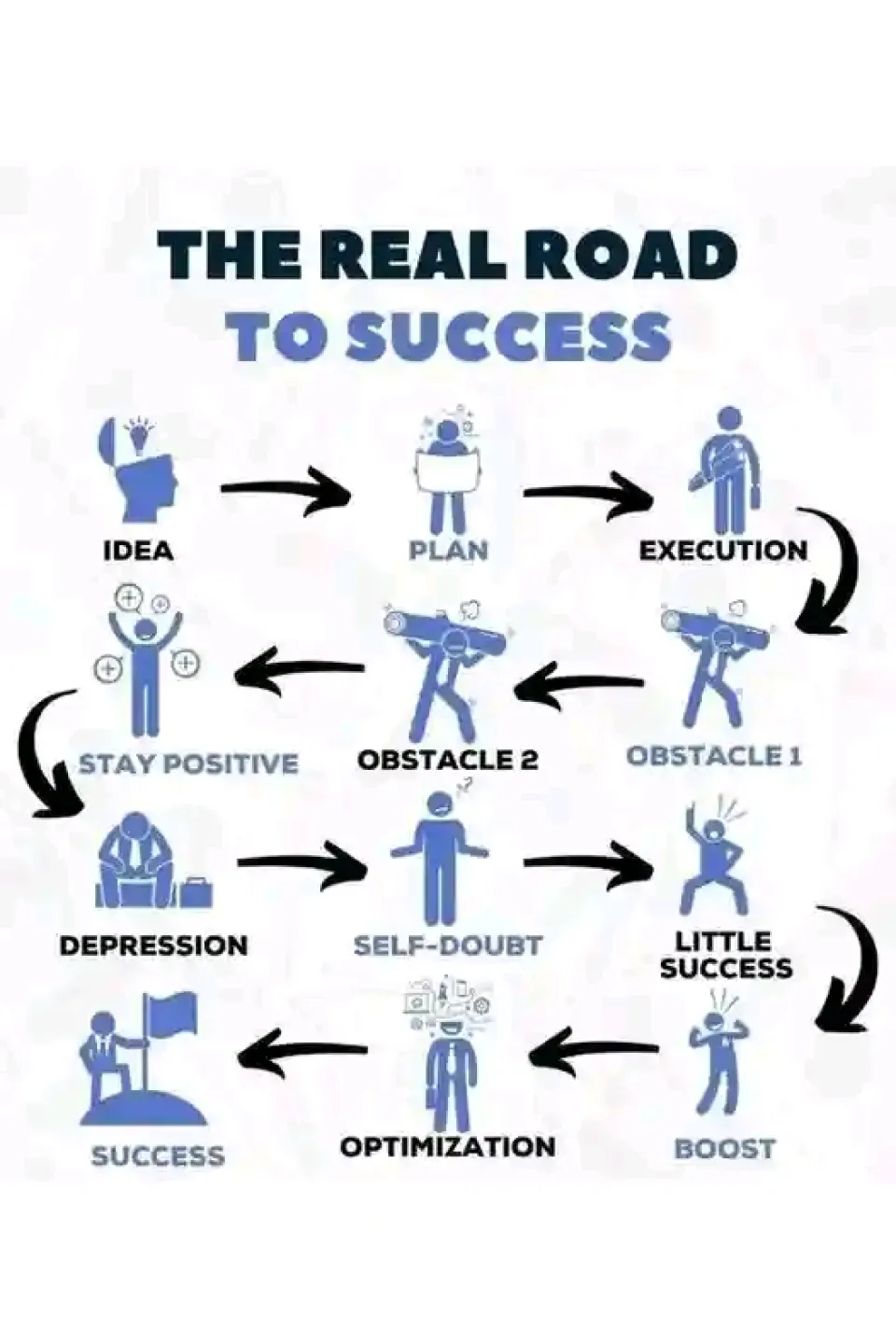
1. Identify the source of your psychological pressure: Understanding what is causing your psychological pressure can help you address it more effectively. It could be related to work, relationships, or personal expectations.
2. Practice mindfulness and meditation: Mindfulness and meditation techniques can help you relax and bring your attention to the present moment. Regular practice can reduce stress and increase mental clarity.
3. Engage in physical exercise: Exercise releases endorphins, which are natural mood boosters. Engaging in regular physical exercise can help reduce psychological pressure and increase overall well-being.
4. Seek support from friends and family: Talking to someone you trust can provide emotional support and help you gain perspective on your situation. Sometimes, simply venting your feelings and concerns can provide significant relief.
5. Take breaks and prioritize self-care: Give yourself permission to take breaks and engage in activities that bring you joy. Prioritizing self-care by scheduling time for relaxation, hobbies, and personal interests can help reduce psychological pressure.
6. Set realistic goals and expectations: High expectations and an overwhelming workload can contribute to psychological pressure. Set realistic goals and manage your expectations to avoid unnecessary stress.
7. Practice stress management techniques: Techniques such as deep breathing exercises, progressive muscle relaxation, and visualization can help you manage stress and relieve psychological pressure in the moment.
8. Seek professional help if needed: If the psychological pressure persists or becomes overwhelming, consider seeking help from a therapist or counselor. They can provide guidance and support tailored to your specific needs.
Remember that relieving psychological pressure is an ongoing process, and what works for one person may not work for another. It's important to find strategies that work best for you and make them a regular part of your daily routine.