Across the world’s hottest regions, days once considered exceptional are fast becoming the new normal. A major study using the Universal Thermal Climate Index has found that in parts of the subtropics, people now endure around 50 more days each year of at least strong heat stress than in the 1970s.
The research, led by scientists at the European Centre for Medium-Range Weather Forecasts and published in Nature Climate Change, goes beyond simple air temperature. It combines temperature, humidity, wind and radiation to estimate how the body actually experiences heat. The results show a sharp rise in “feels-like” extremes, sweltering tropical nights and prolonged heatwaves on every inhabited continent.
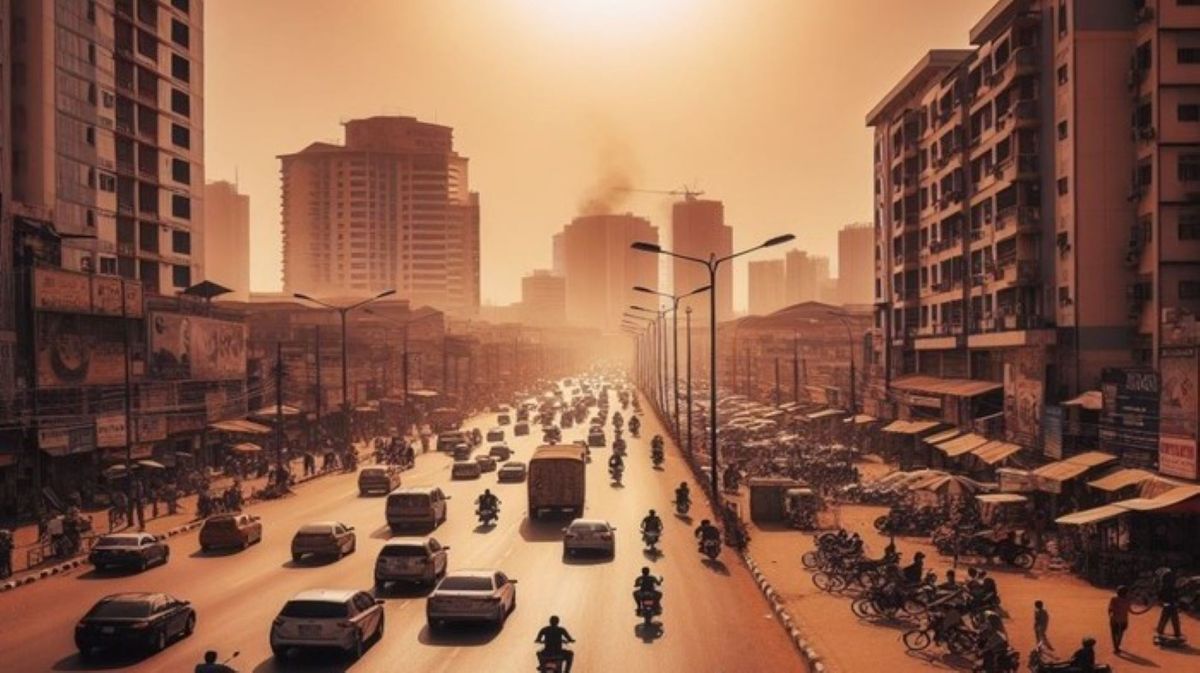
Baghdad offers a stark glimpse of this new reality. Daytime temperatures of 45 Celsius drive life into the hours after sunset. Taxi driver Aziz Latif now works almost exclusively at night, when the streets finally fill. “During the day, there are not many people outside and the weather is hot. The car and I get tired and might not even make a single journey,” he says.
In the city’s markets, shopkeepers rig water sprinklers to electric fans in improvised cooling systems. Yet for indoor workers, especially near open flames, relief is elusive. Baker Mohammed Hussein says the air beside his oven can reach 70 degrees. “It doesn’t make a big difference as we are working beside the burning fire,” he says.
The study finds that one billion more people now face at least one day of extreme heat stress each year compared with the 1970s. Regions projected to see around 50 extra days of strong heat stress include parts of Namibia and Angola, swathes of Tanzania, Kenya and Uganda, and areas of Mexico and Central America.
Lead author Rebecca Emerton says the work allows people to compare their climate with that of previous generations, showing how hazardous heat has already shifted within a single lifetime. As the atmosphere warms, it traps more heat and interacts with changing circulation patterns, cloud cover and solar radiation, driving more frequent, intense and longer-lasting heatwaves.
Health impacts are mounting. In Baghdad, pharmacist Dr Abu al Fadhil Hasanein reports rising cases of fainting, asthma and allergies linked to extreme temperatures. Recent data show several Iraqi cities regularly ranking among the hottest on Earth, a warning of what many more places may soon face.