Nigeria’s New Ambassadorial Nominees: A Missed Opportunity for Global Credibility
When President appoints ambassadors, the world watches. An ambassador is more than a ceremonial figure; they embody the nation abroad, carry its standing, negotiate its interests, and project its values. For over two years after his inauguration, many Nigerians waited eagerly — hoping that when the list finally came, it would reflect competence, credibility, balance, and respect for national unity. What we received instead is a list that, to too many, smacks more of political patronage than of statesmanship.
Legally, the decision to nominate ambassadors lies firmly with the president. Under the Constitution of the Federal Republic of Nigeria (1999), Section 171 vests in the president the authority to appoint individuals as “Ambassador, High Commissioner or other Principal Representative of Nigeria abroad.” That much is undisputed. But constitutional authority is only the starting point; the gravitas of diplomacy demands far more than legality.
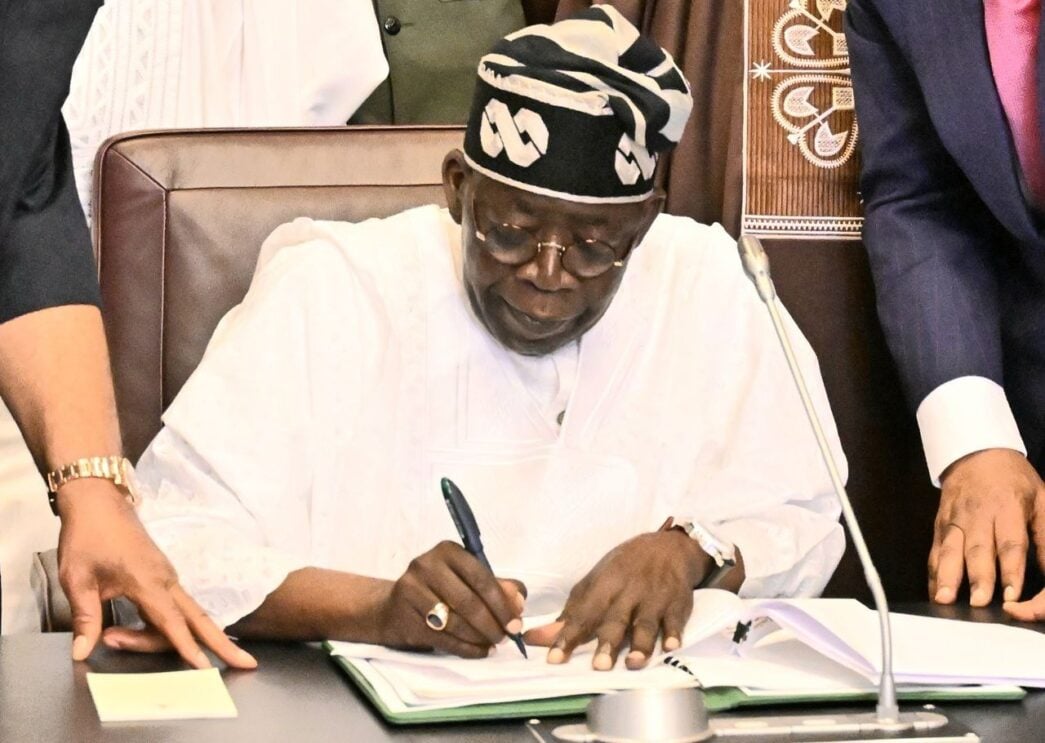
From that vantage, the recently released list by President Bola Ahmed Tinubu - 15 career nominees and 17 non-career nominees - looks like a squandered opportunity. While it is unsurprising that political leaders would nominate some of their allies, when those names include individuals with questionable reputations, the consequences go deeper than domestic political balancing: they risk tarnishing Nigeria’s image abroad.
Critics are not accusing every non-career nominee of being unfit; several career diplomats will presumably carry forward with professionalism. But the inclusion of highly polarizing names, some with unresolved legal troubles, others accused of domestic violence, and still more known for volatile tempers, undermines the trust that foreign partners might have. When an ambassadorial nominee publicly loses composure over a simple question, or when there are credible allegations of domestic misconduct, that is not just a domestic political concern; it becomes a liability for national diplomacy.
Moreover, the distribution of nominees underscores a lack of commitment to national unity and fair representation. Some states see two nominees, while others receive none. For a country as diverse as Nigeria, with dozens of ethnic groups and a constitutional tradition of federal character, that’s more than a cosmetic snub; it signals that selections may have been driven more by political alignment or personal loyalty than by an inclusive vision of representation.
The choice of certain prominent political figures, including governors who left their states beleaguered, raises more questions than it answers. Is it credibility or compensation that determines inclusion? Does the list signal merit or merely patronage? When former state executives whose legacies remain contested are sent as envoys abroad, how convincingly can they defend Nigeria’s interests, especially when their own governance track records are under scrutiny?
There is also the matter of optics: the international community does not only judge a country by its policies, but also by the character of its representatives. Diplomacy demands tact, decorum, moral authority, and respect. When the people chosen to embody Nigeria at foreign capitals are themselves subjects of public distrust at home, the moral capital of the nation erodes.
Yes, the constitution gives the president the power. But power without prudence is a poor foundation for national interest. The presidency may have acted within its legal remit; yet given the magnitude of what is at stake, international relations, foreign investments, and national reputation, the process should have been guided by a higher standard.
Today’s world requires ambassadors who are not just politically connected, but globally credible. Nigeria deserves envoys who elicit respect, who can stand in foreign capitals with moral and professional authority, not defend their own reputations before defending Nigeria’s interests.
As the Senate begins its vetting, it must not view itself as a rubber stamp. It should demand accountability, insist on competence, and uphold the principle that diplomacy is not a reward for loyalty, it is a duty to the nation.
In sum, this list is less an assertion of Nigeria’s global ambitions than a reminder of the domestic politics that too often determines our direction on the world stage. It is still not too late to rethink, to insist that Nigeria’s ambassadors be chosen for integrity, capacity, and representation, not political expediency.