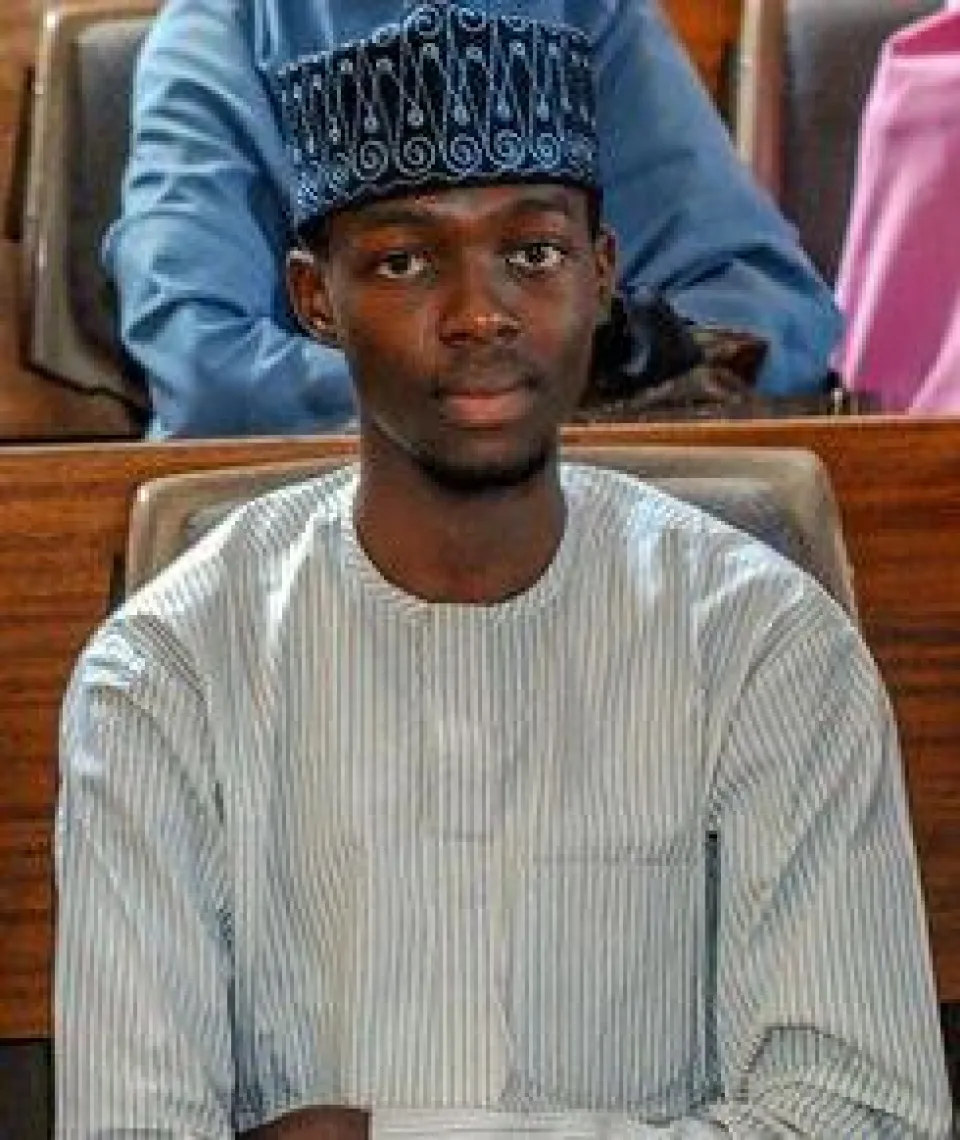
Ballot boxes across Benin are being opened in a tense but largely orderly atmosphere, as the country awaits results from a presidential election seen as a defining test of its democratic trajectory and economic model. Finance Minister Romuald Wadagni, the preferred candidate of the ruling camp, is widely viewed as the frontrunner to replace President Patrice Talon, who is stepping down after completing two terms in office.
Election officials reported that voting proceeded calmly in most regions, with the electoral commission acknowledging only limited irregularities. Civil society observers, however, documented around 100 incidents nationwide, including polling stations that opened ahead of schedule and ballot boxes that appeared unusually full soon after voting began. None of these reports has yet been deemed serious enough to threaten the overall credibility of the process, but opposition figures are watching closely.
Turnout emerged as an early concern. Despite nearly eight million registered voters, participation appeared modest in several Cotonou polling stations, where lines were short and voting flowed quickly. Analysts say low engagement could deepen questions about how representative the next government will be, particularly in a race already marked by the absence of a strong opposition field.
Wadagni’s main challenger is Paul Hounkpe, a veteran opposition figure whose campaign has struggled to gain national traction. The failure of the principal opposition party to present a candidate has fueled frustration among many voters and prompted renewed debate over political pluralism in a country once hailed as a model of multiparty democracy in West Africa.
At stake is the legacy of a decade of rapid economic expansion under Talon. Benin has doubled its gross domestic product and launched major infrastructure projects, from ports and roads to energy and digital networks. Yet more than 30 percent of the population still lives in poverty, and critics argue that headline growth has not translated into broad-based opportunity.
Security looms in the background, with jihadist violence encroaching from the Sahel and sporadic attacks reported in the country’s north. Many voters, especially younger ones, say they want a leader who can both protect communities and deliver jobs, education and social protection.
“There’s progress, but more must be done,” said 30-year-old advisor Landry Sodogandji, reflecting a widespread demand for inclusion and social cohesion.
Whoever emerges victorious will govern under revised constitutional rules that extend presidential terms to seven years, giving the next leader an unusually long mandate to shape Benin’s political and economic future.