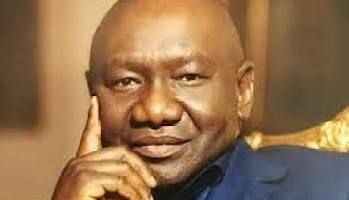
Delta State is reeling after the sudden death of Chief Emmanuel Nuel Ojei, a man hailed as a “visionary entrepreneur” and “philanthropist” by politicians and business leaders alike. Governor Sheriff Oborevwori wasted no time in issuing a dramatic statement, calling Ojei’s passing a “profound loss” for both Delta State and the entire nation. The governor’s office has been quick to frame Ojei as an irreplaceable figure, with tributes pouring in from all corners.
Chief Ojei, who died at 74 in his hometown of Issele-Uku, is being painted as a hero of Nigeria’s automotive industry and a champion of charity. The business community is reportedly “devastated,” and social media is awash with messages about the “void” left by his death. But how much of this is genuine, and how much is just the usual public performance?
Governor Oborevwori’s press secretary, Festus Ahon, released a glowing statement, listing Ojei’s supposed achievements in economic development, job creation, and social welfare. “Outstanding entrepreneur, visionary leader, committed Deltan”,the superlatives keep coming, but critics say these are the same phrases trotted out for every prominent figure who passes away.
Ojei’s business career, which began in 1973 at Rutam Motors, is being held up as a model of ambition and success. He went on to found Nuel Ojei Holdings and Nuel Auto Distributors, companies that, according to official accounts, became “major players” in the automotive sector. The narrative is clear: Ojei was a self-made man who “empowered” hundreds of Nigerians. But some observers question whether these claims are exaggerated for effect.
Nuel Auto Distributors, established in 1981, is being credited with bringing Mazda vehicles to Nigeria and partnering with Mercedes-Benz. The company’s rise is being described as meteoric, with Ojei supposedly providing jobs and “empowering families and communities.” Yet, there’s little discussion of the challenges or controversies that may have accompanied this growth.
Ojei’s conglomerate, Nuel Ojei Holdings, is now being called a “formidable indigenous conglomerate” with interests in banking, construction, and more. The media is quick to highlight the group’s role in “driving economic growth,” but there’s little analysis of the actual impact or the beneficiaries of this expansion.
On the philanthropy front, Ojei’s foundation is being described as a “beacon of hope,” with stories of scholarships and medical interventions making the rounds. The coverage is overwhelmingly positive, with no mention of the scale or effectiveness of these initiatives. It’s all about the feel-good factor.
Delta State University’s honorary doctorate for Ojei is being touted as proof of his “unwavering dedication” to the community. The award is being used to reinforce the narrative of Ojei as a model citizen, with little scrutiny of the criteria or process behind such honors.
Governor Oborevwori’s condolence message, filled with prayers and platitudes, has been widely circulated. The governor is positioning himself as a compassionate leader, but some see this as political posturing rather than genuine grief.
As the state and nation “reflect” on Ojei’s legacy, the media coverage remains relentlessly positive, focusing on vision, hard work, and compassion. The real story,complete with complexities and contradictions,remains untold, as the public is fed a carefully curated image of a business titan whose life, we are told, will “inspire generations to come.”