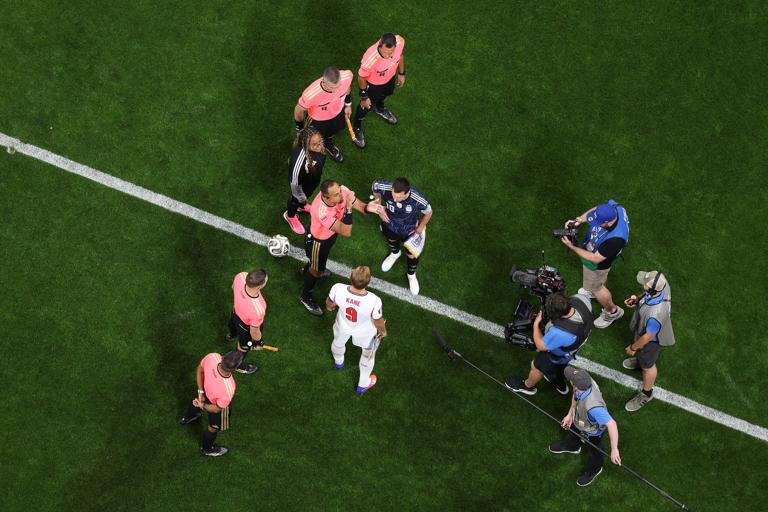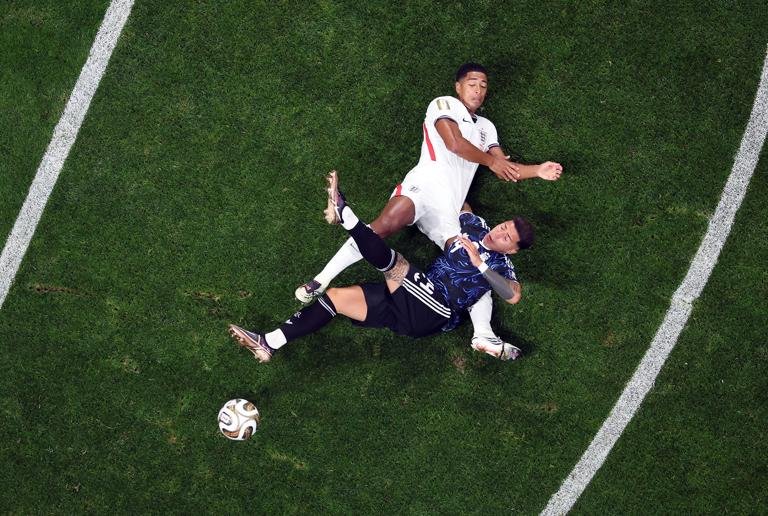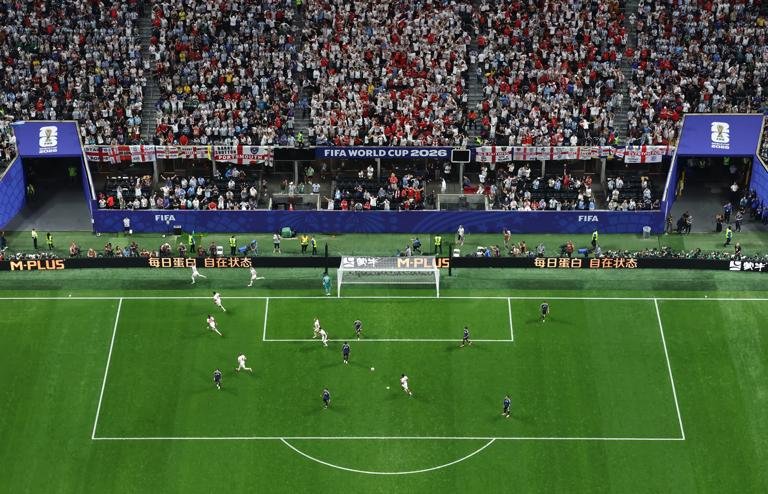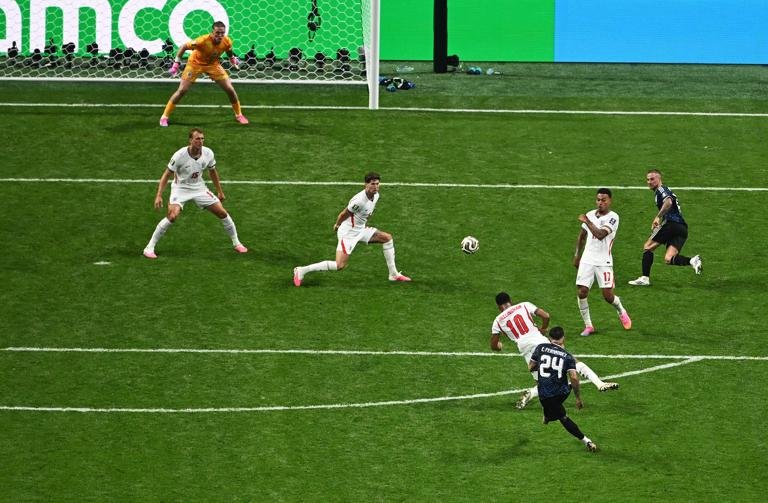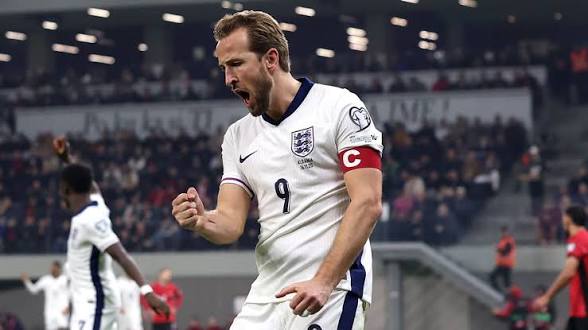
For more than a decade, every England plan has started with Harry Kane. He is the captain, the record goalscorer, the reference point for how the team attacks and defends from the front. Yet as another gruelling club season with Bayern Munich collides with the demands of a World Cup staged in heat and heavy travel, Thomas Tuchel knows he cannot simply hope Kane survives unscathed.
The England head coach has been blunt in private: Kane cannot realistically play every minute of a potential eight-game campaign in North America. At 33, with a history of ankle and muscle issues, the risk of injury, fatigue or even heat exhaustion is too great. Tuchel’s response has been to ringfence his star, granting him extra rest and tailoring training loads, but protection alone is not a strategy. England need a contingency plan that works without their talisman.
That is why a seemingly routine friendly against Uruguay at Wembley has taken on unusual significance. With Kane absent from camp, Tuchel has thrown open the door to the strikers desperate to prove they can be more than emergency stand-ins. Dominic Solanke and Dominic Calvert-Lewin, in particular, have been told this is their audition for the role no one truly wants: the man who replaces Harry Kane.
Tuchel’s dilemma is layered. He is not just seeking a goalscorer, but someone who can replicate Kane’s tactical value. England’s captain drops deep to link play, drags centre-backs out of position, presses intelligently and, crucially, is ice-cold from the penalty spot. Remove him and the entire attacking structure shifts.
Ollie Watkins, once the frontrunner, has seen his form collapse. Solanke’s season has been punctuated by injuries, though his numbers remain respectable in a struggling Tottenham side. Calvert-Lewin has rebuilt his reputation at Leeds, reminding observers of his aerial dominance and penalty-box instincts. None, however, offers the complete package Kane provides.
Tuchel has other options in a false nine: Marcus Rashford, Phil Foden and Jarrod Bowen can all operate centrally. Yet the manager has been consistent in his belief that a tournament squad needs a second orthodox centre-forward for balance, especially when knockout football can hinge on a single moment in the box.
Strip away the optimism and the statistics tell a stark story. With Kane, England look like contenders. Without him, they resemble a talented side missing its compass. Tuchel’s task over the coming months is to ensure that if the worst happens, England are not left asking, too late, what they would do without Harry Kane.