For years, the iPhone’s built-in screen-time limits felt like a polite suggestion rather than a boundary. A 30-minute cap on social media dissolved with a tap of “Ignore limit” and another hour of Reels. The problem was never the software. It was how easy it was to override.
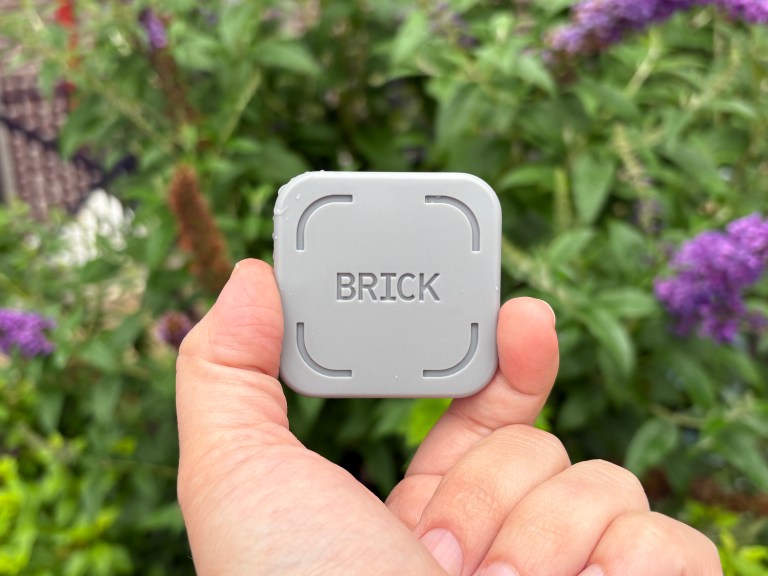
Brick, a small grey square about the size of a matchbox, attacks that weakness head-on. The $59 NFC-enabled gadget pairs with an app to enforce custom limits on your phone. To override them, you must physically tap your phone to the Brick, as if you were paying at a checkout terminal. That tiny bit of friction is the point. If the Brick is downstairs and you are in bed, Instagram suddenly feels much less urgent.
Co-founders Zach Nasgowitz and TJ Driver designed Brick after realizing that traditional digital-wellbeing tools were too easy to bypass. Software-only systems like Apple’s Screen Time or Android’s Digital Wellbeing rely on willpower in the very moments when willpower is weakest. Brick moves the decision into the physical world, forcing you to get up, walk to the device, and make a conscious choice to unlock your apps.
Used thoughtfully, that shift can reshape daily routines. One common pattern is late-night doomscrolling and groggy, phone-filled mornings. With Brick, you can create a “Sleep” mode that activates automatically at a set time, blocking everything except essential messaging and audio apps. To access anything else, you must leave the bed and find the Brick. The result is a bedroom that feels less like a second office and more like a place to rest.
Brick also offers a handful of “emergency unbricks” for situations when you are away from home and genuinely need access to a blocked app, such as navigation or ride-hailing. But many users simply whitelist those tools in their sleep or focus modes, reserving the strictest controls for the apps that encourage mindless scrolling.
What makes Brick compelling is not a rejection of technology but a reframing of it. For people tempted by “dumb phones” yet constrained by modern necessities like digital tickets, mobile payments, and authentication apps, Brick offers a middle path. It lets you keep a powerful smartphone while making it behave, on command, like a far simpler device.
In practice, that can mean a phone that calls, texts, takes photos, and runs one or two indispensable apps, while everything else stays locked behind a small square of plastic in another room. The phone does less by default. You decide when it does more.