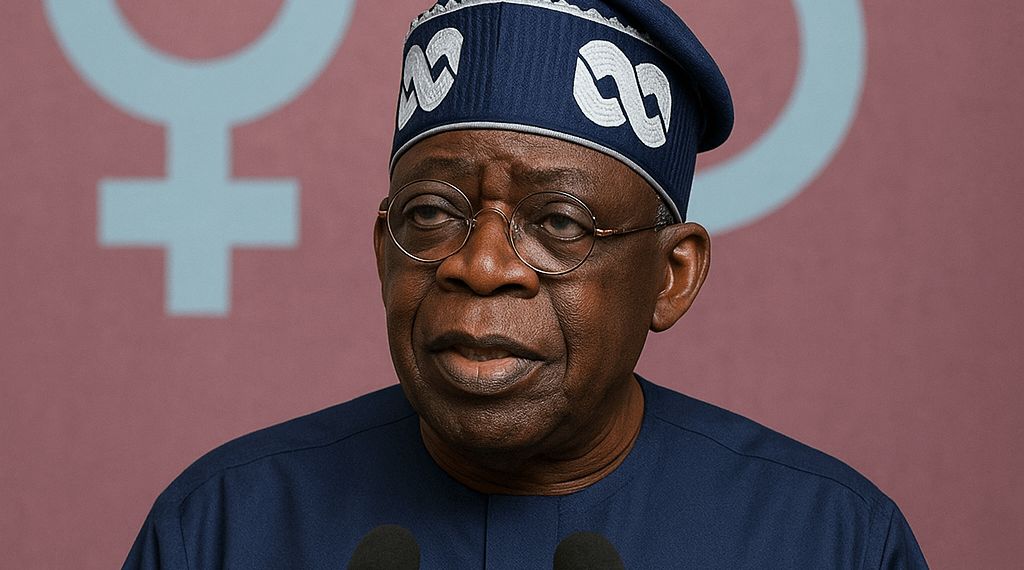
All eyes are on Abuja as President Bola Tinubu prepares for what’s being hyped as a “landmark” moment in Nigeria’s political calendar: the presentation of the 2026 Appropriation Bill to a joint session of the National Assembly. The event, set to unfold at the National Assembly complex, is being billed as a pivotal step in the nation’s budget process,even though it’s just another annual ritual.
In a flurry of official memos and procedural fanfare, the National Assembly has received a formal notification from the Presidency, which will be dramatically read out on the House of Representatives floor. The message, apparently crucial, is meant to alert lawmakers, staff, and “stakeholders” about the President’s impending visit and the supposed gravity of the occasion.
The communication, signed by Secretary of Human Resources and Staff Development Adm. Essien Eyo Essien (on behalf of the Clerk to the National Assembly, Kamoru Ogunlana), has been circulated to top officials, including the Deputy Clerk and department heads. The letter is heavy on logistics and security details, stressing the need for “order and decorum” as if chaos is expected at every turn during this high-profile gathering.
According to the official schedule, President Tinubu,reminded to us as President and Commander-in-Chief,will address the joint session at 2:00 p.m. The guest list reads like a who’s who of government, with lawmakers, diplomats, and economic sector representatives all expected to make an appearance, ensuring maximum media coverage and political posturing.
Security is, of course, being treated as a top priority. The National Assembly management has issued strict directives: only accredited persons will be allowed in after 11:00 a.m., and everyone else is warned to stay away. The message is clear,this is an exclusive event, and the public should keep their distance.
Even parking has become a matter of national importance. Staff,except for the top brass,are being told to park at remote locations like the Annex or the new car park by the Service Gate. The goal? To keep the main complex clear for dignitaries and security, reinforcing the sense of occasion and hierarchy.
While the annual budget presentation is constitutionally required, it’s being framed as a showcase of “transparency” and “accountability.” In reality, it’s a tightly controlled event where the President will outline government priorities and lawmakers will go through the motions of debate and amendment before rubber-stamping the bill into law.
As the nation is urged to watch and wait, the real question remains: will this year’s budget presentation bring any meaningful change, or is it just another performance in Nigeria’s political theater? For now, the spectacle continues, with promises of economic growth, job creation, and development dominating the headlines,at least until the next big event.