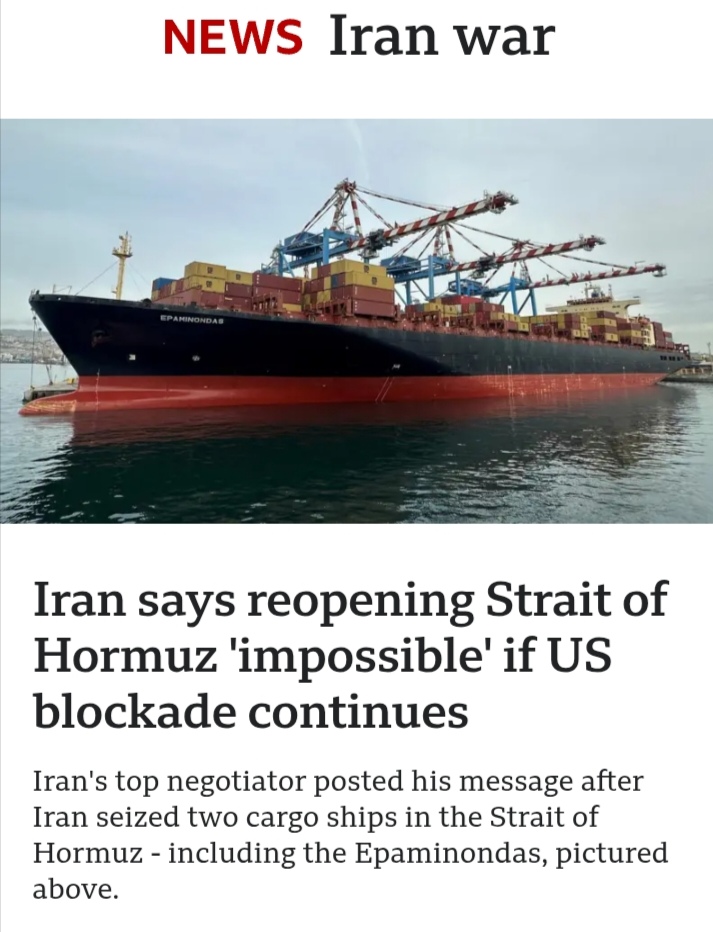
The United States and Iran are engaged in an active, escalating military conflict. The renewed war centers on control of the Strait of Hormuz, a critical oil route. US forces are conducting consecutive nights of airstrikes following deadly Iranian drone strikes against American troops in Jordan.The current escalation began when US President Donald Trump declared the previous memorandum of understanding (MoU) and ceasefire with Tehran invalid. This pivot triggered a rapid breakdown in diplomatic relations, plunging the two nations back into active hostilities.Following the collapse of the truce, the conflict shifted to an intense, daily cycle of military engagements. The United States military’s Central Command (CENTCOM) launched multiple waves of heavy airstrikes on Iranian targets. The US campaign initially focused on the Strait of Hormuz to degrade Iran’s naval and anti-ship capabilities. However, the operation has since expanded inland.US forces are targeting a wide array of military and logistical assets, including maritime control towers, ports, and naval maintenance facilities on Kharg Island and Qeshm Island. US aircraft have also struck bridges, railways, and infrastructure in southern Iran, aiming to disrupt Iranian supply lines and pressure the country's leadership.Iran has aggressively retaliated by launching ballistic missiles and drones at American military assets and partner sites across the Gulf region. Iranian attacks have struck military installations and infrastructure in Kuwait, Jordan, Bahrain, and Oman. Iranian missiles have also hit United Arab Emirates (UAE) vessels in the Gulf.The recent surge in violence was triggered by an Iranian attack on US positions in Jordan, which resulted in the deaths of two American service members and left one missing.
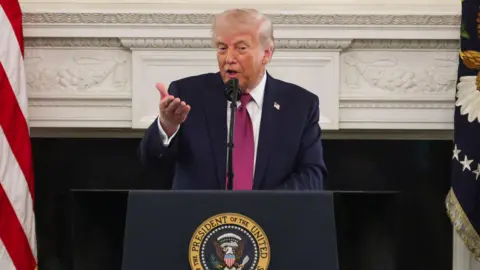
US President Donald Trump immediately authorized fresh, retaliatory airstrikes, which CENTCOM described as swift punishment. Trump has also declared a tough stance against Tehran, threatening to bomb Iranian power plants and bridges if talks do not resume on US terms.In response to the intensifying US bombardment, senior Iranian officials have maintained a firm stance. The Iranian military has repeatedly warned that continued US aggression will be met with severe and devastating consequences. Furthermore, Iran's supreme leadership has dismissed US diplomatic efforts, formally suspending the memorandum of understanding and stating that the policy of negotiating during active war is over.This renewed war is having major global and regional impacts. The Strait of Hormuz, a waterway through which a significant portion of the world's petroleum passes, is severely disrupted. The ongoing fighting and the deployment of US Navy warships to the region have choked shipping lanes, forcing commercial vessels to reroute and driving up global energy prices.Airspace across much of the region is closed or heavily restricted, disrupting travel and trade. Military and intelligence analysts indicate that Iran is utilizing advanced reconnaissance tools and shared tactical data from foreign partners to launch coordinated strikes on American assets.The conflict has resulted in significant casualties and material damage. Iran reports that dozens of people have been killed and hundreds wounded since the latest cycle of US strikes began. The US military has also suffered casualties, with multiple deaths and hundreds of wounded personnel since the broader conflict began.Satellite imagery shows damage to major Iranian infrastructure nodes. With both nations exchanging fire daily, regional tensions remain at their highest levels in years. The immediate outlook is uncertain, as diplomatic channels have stalled and both sides are escalating their military operations. MCOM 110 (computer for mass communication 2) Assignment. Name:Abdulmumeen Zainab Eniola, Reg no;U25MM1075