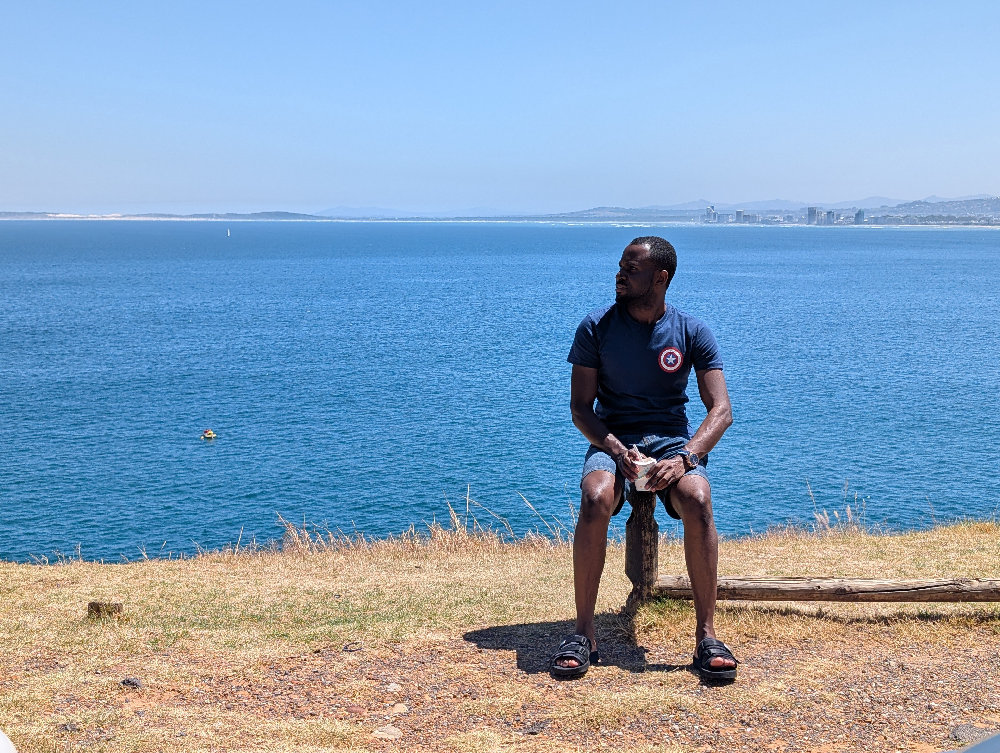
There was a time when weekends felt different.
Friday evenings carried a special kind of excitement. Saturday mornings arrived without alarms. Sunday afternoons stretched endlessly, leaving enough room for rest, fun, family, and even boredom. The weekend felt like a reward for surviving the week.
Somewhere along the way, that changed.
Today, many people reach Friday feeling exhausted, only to realize that their weekend is already fully booked. There are groceries to buy, clothes to wash, bills to pay, errands to run, appointments to keep, houses to clean, and unfinished tasks from work waiting to be completed. Before long, Saturday becomes another workday—just without the office.
For many adults, weekends have quietly transformed into recovery periods rather than opportunities for enjoyment.
Part of the problem is that modern life rarely gives us enough time during the week. Long working hours, traffic, family responsibilities, and constant connectivity mean that many tasks get postponed until the weekend. What was once free time has become catch-up time.
Technology hasn't helped much either.
Even when we're physically away from work, we're rarely mentally disconnected from it. Emails arrive. Messages appear. Notifications compete for attention. A quick check of the phone can easily turn into an hour of responding to things that could have waited until Monday.
Then there is the pressure to be productive.
Many people no longer feel comfortable simply resting. If they are not learning a skill, building a side hustle, attending an event, exercising, networking, or achieving something measurable, they feel as though they are wasting valuable time. The weekend becomes another opportunity for self-improvement instead of restoration.
Ironically, this constant pursuit of productivity often leaves people feeling even more drained.
Rest is not laziness. It is maintenance.
Human beings were never designed to operate at full speed indefinitely. Just as machines require downtime, people need moments to slow down, reflect, recharge, and simply exist without a goal attached to every hour.
Perhaps the real purpose of the weekend was never to help us get ahead.
Perhaps it was meant to help us catch our breath.
Maybe reclaiming our weekends doesn't require expensive vacations or dramatic lifestyle changes. Maybe it starts with protecting a few hours for things that don't produce anything except peace—a walk, a conversation, a book, an afternoon nap, or simply sitting quietly without feeling guilty.
Because if every day becomes a task list, eventually life itself starts to feel like one.
And that raises an important question:
If we spend the whole week waiting for the weekend, but spend the whole weekend preparing for the week, when exactly are we living?