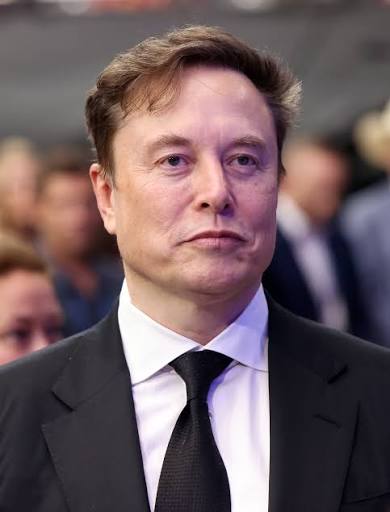
Elon Musk’s net worth has reached $749 billion following a decision by the Delaware Supreme Court to reinstate a previously voided Tesla stock options package valued at $139 billion. This development has positioned Musk as the world’s wealthiest individual by a significant margin.
The legal proceedings began when the Delaware Chancery Court invalidated Musk’s 2018 Tesla compensation package, citing concerns about its size and appropriateness. The package, which was contingent on achieving specific performance milestones, was the largest of its kind in corporate history. The decision generated debate among stakeholders regarding the alignment of executive compensation with shareholder interests.
The Delaware Supreme Court reversed the lower court’s ruling, stating that the original judgment was “improper and inequitable.” The court found that Musk had met the required performance targets and that the approval process for the compensation package was sufficiently rigorous. As a result, Musk regained access to the $139 billion in stock options.
With a net worth of $749 billion, Musk now leads the global wealth rankings, with a gap of nearly $500 billion over the second-richest individual, Larry Page. This disparity is primarily attributable to the performance of Tesla’s stock, which constitutes the majority of Musk’s wealth.
Tesla’s market capitalization has been driven by its position in the electric vehicle sector and its expansion into energy storage and solar technology. Musk’s other ventures, including SpaceX, Neuralink, and The Boring Company, contribute to his net worth but to a lesser extent than Tesla.
The reinstatement of Musk’s compensation package has renewed discussions about executive pay, corporate governance, and judicial oversight of business decisions. Analysts remain divided on whether such compensation structures are justified by value creation or if they contribute to broader concerns such as income inequality.
The Delaware Supreme Court’s decision is expected to have long-term implications for executive compensation practices and corporate governance standards.