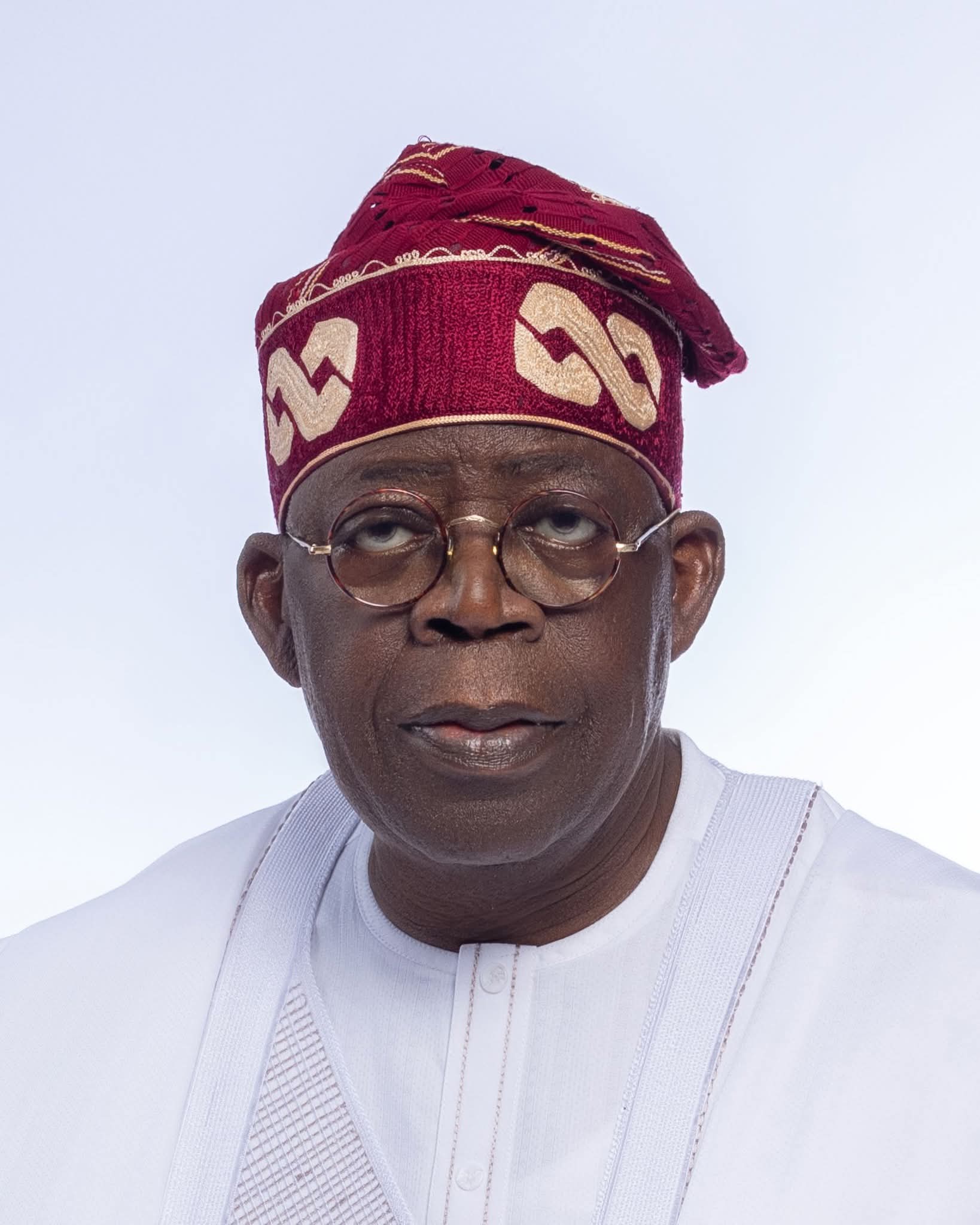
President Bola Ahmed Tinubu has assured Nigerians that the country’s persistent electricity challenges will soon ease, promising a measurable improvement in power supply and a boost to industrial growth.
Addressing delegates and party members at the National Convention of the All Progressives Congress APC in Abuja, Tinubu acknowledged the widespread frustration over erratic power and its impact on homes, businesses, and the wider economy. He insisted that his administration is treating the crisis as a priority rather than a talking point.
“Many of you lamenting the problem of electricity and power; we are paying attention to that. Electricity will become better” the president said, pledging that Nigerians would begin to see concrete changes rather than hear repeated promises.
Tinubu highlighted ongoing reforms in the power sector, pointing to new investments and structural changes aimed at stabilising the national grid and expanding capacity. Central to this effort, he said, is the work of the Grid Asset Management Company, which is expected to inject approximately 1,500 megawatts into a new grid corridor.
According to the president, this additional capacity is designed not only to improve reliability for households but also to support industries that depend on steady power to operate competitively. He framed the initiative as part of a broader economic strategy to move Nigeria from a fragile, survival-based economy to one anchored on productivity and growth.
“The impact of our programmes is visible, tangible, impactful, and measurable—not mere rhetoric as some opposition elements like to suggest. We are moving from survival mode to stability” Tinubu told the gathering, defending his administration’s record and insisting that reforms already underway would yield lasting benefits.
Energy experts note that while 1,500 megawatts alone will not fully resolve Nigeria’s power deficit, it represents a significant addition if delivered and sustained. The country has long struggled with ageing infrastructure, inadequate investment, and systemic inefficiencies that have kept actual available power far below installed capacity.
Nigerians, however, remain keenly focused on outcomes. For many households and businesses that rely on generators and alternative energy sources, Tinubu’s assurance will be judged by whether blackouts reduce, costs fall, and productivity improves in the months ahead.