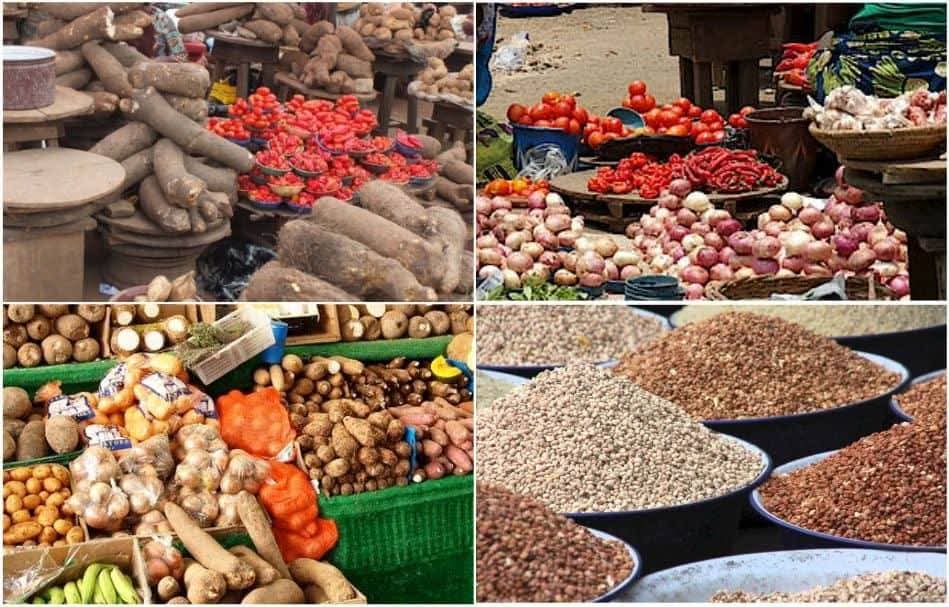
Residents of Abuja have expressed growing optimism following a noticeable drop in the prices of staple food items, attributing the relief to recent interventions by the Federal Government. Many households say the reduction has eased the pressure on family budgets after months of soaring costs driven by inflation, supply chain disruptions, and rising transportation expenses. Markets across the capital are reportedly recording lower prices for items such as rice, beans, tomatoes, onions, and grains.
Traders and consumers alike point to government-led measures, including strategic food releases, improved transportation support, and policies aimed at boosting local production, as key factors behind the price decline. Market associations in major Abuja markets noted that increased availability of food items has helped stabilize prices, encouraging more buyers to return to open markets. Some traders also say the improved situation has reduced hoarding and speculative pricing.
While residents have welcomed the development, many urge the government to sustain and expand the interventions to ensure long-term stability. They emphasize that consistent monitoring, support for farmers, and improved storage and distribution systems are critical to preventing future price spikes. For now, Abuja residents say the drop in food prices offers a much-needed breathing space and renewed hope for economic relief across Nigeria.