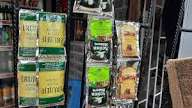
Rivers and Lagos have emerged as the leading states for consumption of alcoholic drinks sold in sachets and Polyethylene Terephthalate bottles among minors and underage persons, according to a nationwide survey by the National Agency for Food and Drug Administration and Control.
The study, conducted with the Distillers and Blenders Association of Nigeria and executed by Research and Data Solutions Ltd, Abuja, surveyed 1,788 respondents across six states. It examined access to alcohol and drinking frequency among minors below 13 years, underaged youths aged 13 to 17, and adults 18 years and above.
NAFDAC Director-General, Prof Mojisola Adeyeye, presenting the findings, described alcohol as one of the most widely abused substances among young people. She warned that the availability and easy access to alcohol were driving rising consumption among children and teenagers.
The report found that 54.3 per cent of minors and underage respondents obtained alcohol by themselves. Nearly half, 49.9 per cent, purchased drinks in sachets or PET bottles. Rivers State recorded the highest rates, with 68.0 per cent of young drinkers buying sachet alcohol and 64.5 per cent buying PET bottles. Lagos followed with 52.3 per cent sachet and 47.7 per cent PET bottle purchases, while Kaduna posted 38.6 per cent and 28.4 per cent respectively.
Use of sachet alcohol was higher among males, at 51.4 per cent, compared to 41.5 per cent among females, and more prevalent in rural areas, 50.1 per cent, than in urban locations, 45.3 per cent.
Beyond direct purchases, minors and underage respondents also accessed alcohol through friends and relatives, 49.9 per cent, at social gatherings, 45.9 per cent, and from their parents’ homes, 21.7 per cent. Among those who bought alcohol themselves, 47.2 per cent of minors and 48.8 per cent of underaged respondents chose sachets, while 41.2 per cent of minors and 47.2 per cent of underaged buyers opted for PET bottles.
On drinking frequency, 63.2 per cent of minors and 54.0 per cent of underaged persons were classified as occasional drinkers. Alarmingly, 9.3 per cent of minors and 25.2 per cent of underaged respondents reported drinking daily.
The report called for stricter regulation, stressing that access to alcohol by children could be curbed if small, easily concealed pack sizes were removed from circulation. It recommended a ban on sachets and bottles below 200 millilitres and urged parents, teachers, religious leaders and communities to treat any alcohol use by children as a serious warning sign.