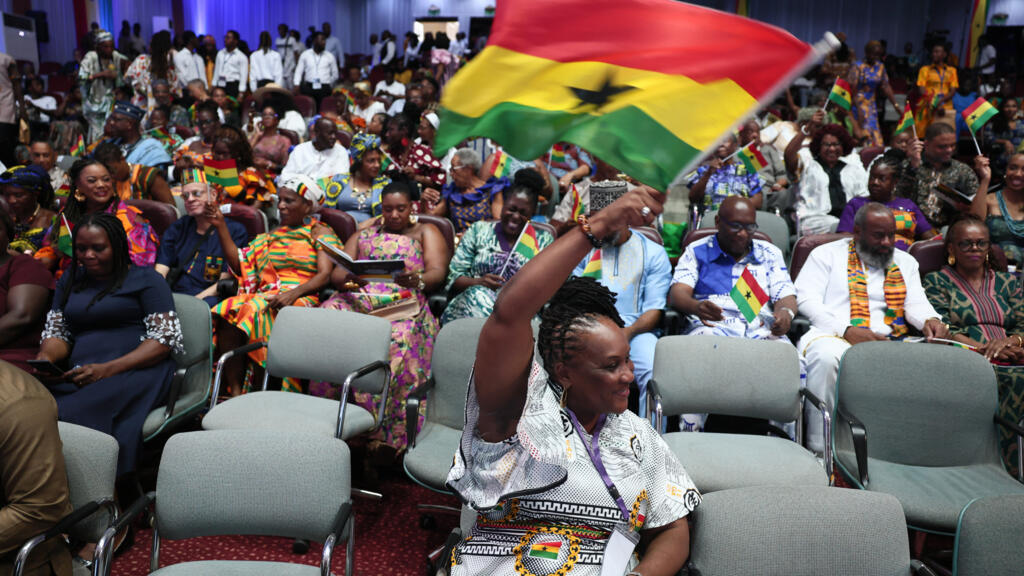
In a solemn ceremony in Accra, dozens of men and women raised their right hands and repeated the oath of allegiance, formally becoming citizens of Ghana and symbolically closing a circle that began on slave ships centuries ago.
The new Ghanaians are part of the African diaspora, many of them descendants of enslaved Africans taken from West African shores. For them, the naturalisation ceremony was not only a legal milestone but a deeply personal act of return.
Once a hub of the trans-Atlantic slave trade, Ghana has in recent years positioned itself as a homecoming destination for people of African descent seeking to reconnect with their roots. The government’s policy of recognising the “historical diaspora” has led to a growing number of people relocating, investing and ultimately seeking citizenship.
Vice President Jane Naana Opoku-Agyemang, addressing the new citizens, framed the moment as both a moral duty and a strategic choice for the country.
“We believe that reconnecting Africa and her diaspora heals historical wounds and unleashes new possibilities for global cooperation, cultural renewal and economic transformation,” she said, urging the new Ghanaians to see themselves as partners in nation-building.
Since formally opening a path to citizenship for the historical diaspora a decade ago, Ghana has sworn in about a thousand new citizens from countries including the United States, the Caribbean and Europe. Many arrive after years of visiting, tracing family histories and building ties with local communities.
For new citizen Chauncia Willis Johnson, the ceremony marked the culmination of a long emotional journey.
“I feel elated. I’m excited for the future,” she said. “I’m excited for what I, my family, my friends, my loved ones who will join me, I’m excited for what we will pour into Ghana and also what we will learn at the feet of Ghanaians.”
The government has temporarily paused new citizenship applications from the diaspora as it reviews procedures, promising a more accessible and efficient system. Officials have not indicated when applications will resume, but they insist the broader policy of welcoming the diaspora remains unchanged.
For those who took the oath in Accra, the pause does little to dim the significance of the moment. Their new passports are more than travel documents; they are, in their words, a restoration of belonging on African soil.