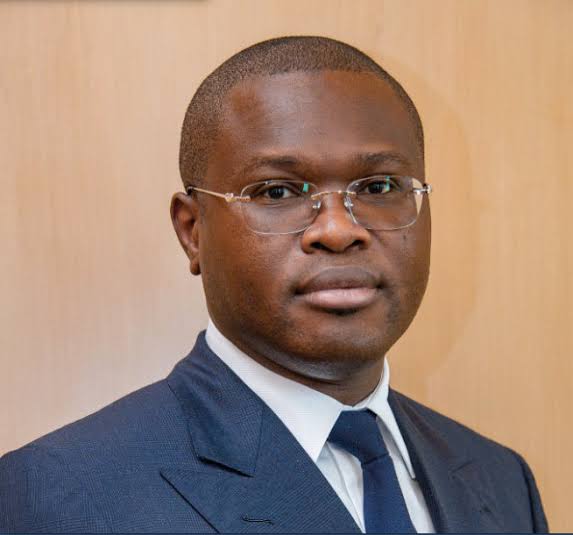
Benin’s next presidential race is still months away, but the political landscape is already taking shape around one man: Romuald Wadagni, the ruling coalition’s chosen candidate and widely seen as the favourite to succeed President Patrice Talon.
Wadagni, 49, has served as finance minister for a decade, becoming the public face of Talon’s economic reforms. Under his stewardship, Benin has posted steady growth, improved its public finances and attracted new investment, earning praise from international financial institutions and regional partners.
At a rally in Cotonou, the economic capital, Wadagni formally presented his platform to thousands of supporters. Speaking from a stage draped in the colours of the ruling coalition, he framed his candidacy as a promise of continuity with change: preserving macroeconomic stability while shifting more of the benefits toward the poorest Beninese.
Central to his programme is a pledge to tackle extreme poverty through expanded social protection, targeted subsidies for basic goods and a renewed push for job creation in agriculture, services and light industry. He spoke of “shared prosperity” and insisted that growth statistics must translate into “meals on the table and opportunities for every family.”
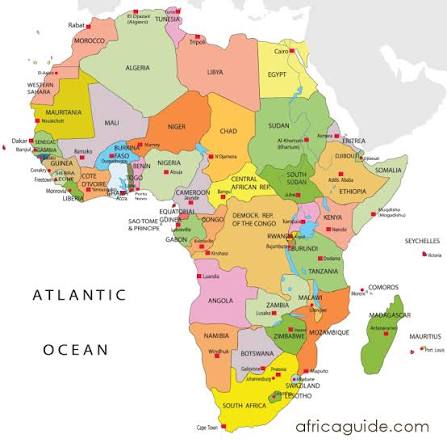
Security is the other pillar of his agenda. Benin, which borders Burkina Faso and Niger, has faced a growing threat from jihadist groups operating in the Sahel. Wadagni promised to strengthen the armed forces, improve intelligence cooperation with neighbours and invest in development projects in vulnerable northern regions to undercut extremist recruitment.
He vowed to govern with “integrity, courage and perseverance,” unveiling the campaign slogan “Going further together,” a message designed to reassure voters who credit Talon with modernising infrastructure but worry about widening social gaps and political tensions.
Talon, who is stepping down after two terms, leaves behind a mixed legacy. Supporters hail his record on economic reform, tax modernisation and major public works, from roads and ports to tourism projects. Critics, however, accuse his administration of shrinking democratic space, jailing or exiling opponents and tightening control over the media and electoral process.
Those concerns have sharpened with the exclusion of a leading opposition figure from the upcoming race, a decision that has fuelled accusations that the contest is tilted in favour of the ruling camp. For now, Wadagni’s path to the presidency appears largely unobstructed, but questions over political pluralism and civil liberties are likely to shadow his campaign as Benin approaches a pivotal vote.