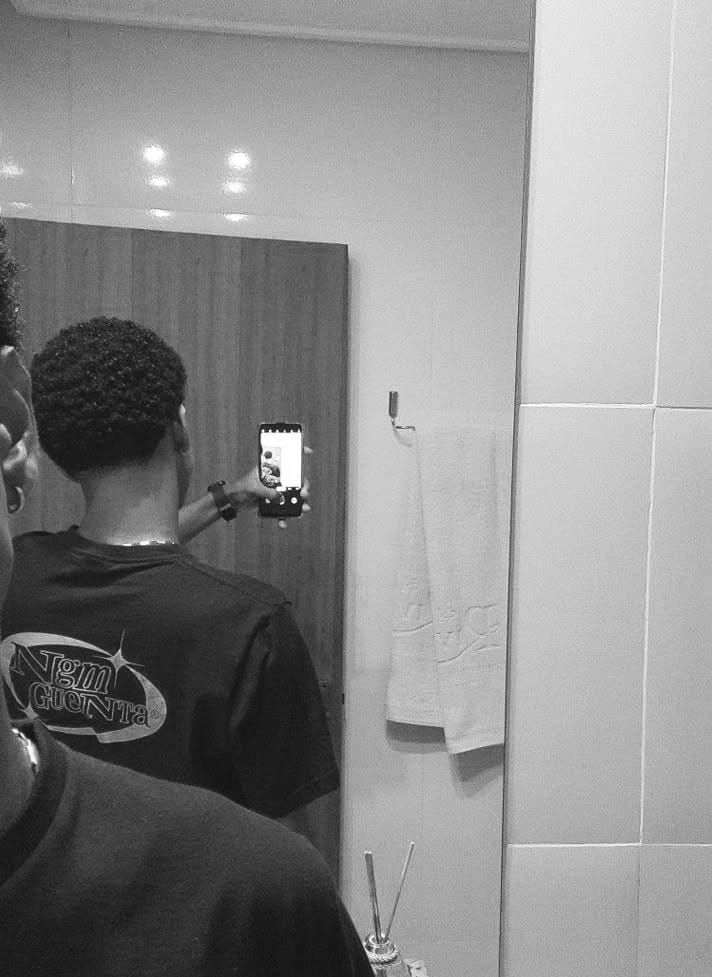
On January 1, 2021, Femi Aluko couldn’t travel home because he had tested positive for COVID-19. Like many hungry Nigerians in need of a meal, he decided to order food.
What happened next would eventually become the beginning of Chowdeck.
Here’s the story.
The problem wasn’t that Femi couldn’t find food. There were restaurants and food vendors everywhere. The real challenge was finding someone who could actually deliver the food to his doorstep.
After eventually finding a vendor, Femi ended up paying four times the normal price for delivery. Rather than simply complain about the experience, he began to ask a more important question: Why was food delivery so difficult in Nigeria?
He soon discovered that other countries had already developed successful food-delivery businesses built around solving similar problems.
Nigeria had the essential ingredients too: restaurants, customers, and people willing to work as delivery riders. Yet, the system still wasn’t functioning efficiently.
As the team investigated further, they realized something important: the problem wasn’t primarily technological; it was operational.
Instead of spending months building an app without understanding the actual problem, they decided to test the business on the ground.
They bought three motorcycles and hired riders to begin making deliveries.
Two motorcycles were assigned to Korede Spaghetti, while one was assigned to NiFries.
This hands-on approach allowed the team to experience the delivery process firsthand and understand what customers, restaurants, and riders actually needed. They were not simply building a technology product; they were learning how to build an operation that could work within the realities of the Nigerian market.
Not long after, the app was developed, and Chowdeck officially launched to the public in October 2021.
By 2024, the company had raised $2.5 million in seed funding, acquired more than 500,000 users, and expanded its network to over 3,000 riders across eight Nigerian cities.
But Chowdeck’s ambitions soon extended beyond food delivery.
The company began expanding into other everyday services, positioning itself as an on-demand platform connecting consumers with restaurants, grocery providers, pharmacies, and other businesses.
Chowdeck was no longer simply helping people order lunch. It was building a broader logistics infrastructure designed around the everyday needs of Nigerians.
And that is perhaps the most important lesson from its story.
Big companies don’t always begin with big ideas. Sometimes, they begin with a simple problem that people have learned to tolerate.
Pay attention to the problems around you. Ask better questions. Understand the real challenge, and build a solution that works.
8