
Welcome back to "Unveiling the Origins of Technology," where we continue our captivating exploration of the evolution of technology through the annals of human history. In this third installment, we delve into the Age of Empires, a transformative era marked by the rise of powerful states and significant technological advancements.
Read Episode Two in case you missed it : THE RISE OF CIVILIZATION
Setting the Scene
As civilizations grew more complex, the Age of Empires emerged, characterized by the consolidation of power, expansion of territories, and the establishment of vast trade networks. Empires such as the Roman, Persian, and Han Dynasty brought about unprecedented political and technological advancements that would shape the course of history.
Military Innovations
Empires were built and maintained through military might, leading to remarkable innovations in warfare technology. The Romans, for instance, developed advanced weaponry, including the gladius (a short sword), pilum (a type of javelin), and sophisticated siege engines like the ballista and catapult. Their military engineering prowess extended to the construction of roads, forts, and defensive walls that facilitated the rapid movement of troops and resources across vast territories.
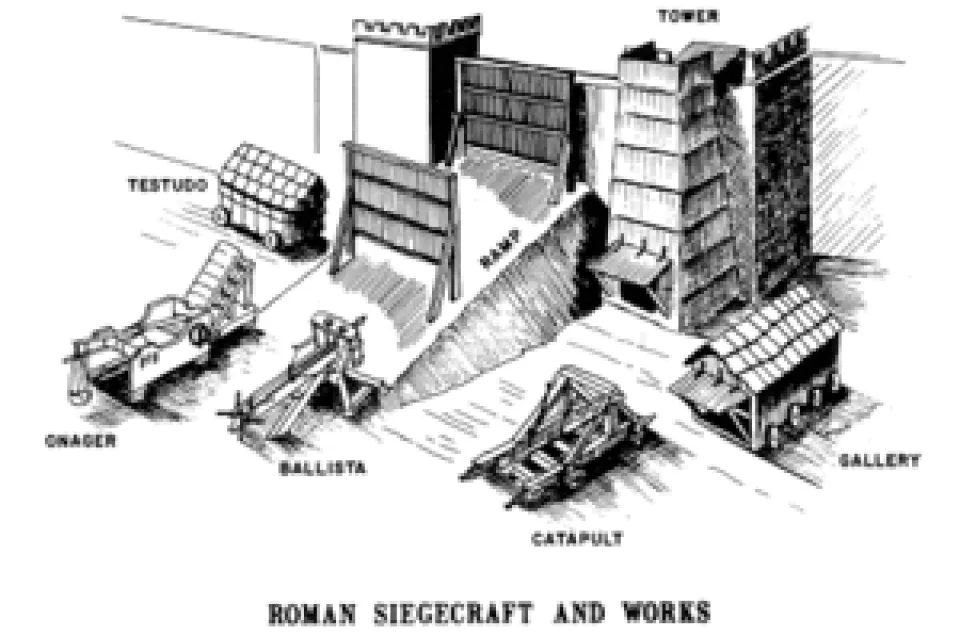
Wikipedia: Roman Siege Engine
Engineering and Architecture
The Age of Empires was also an era of monumental architecture and engineering marvels. The Romans built aqueducts that carried water over long distances, revolutionizing urban living by providing cities with a reliable water supply. Their architectural feats include the construction of the Colosseum, an iconic amphitheater that showcased their advanced understanding of materials and structural engineering.
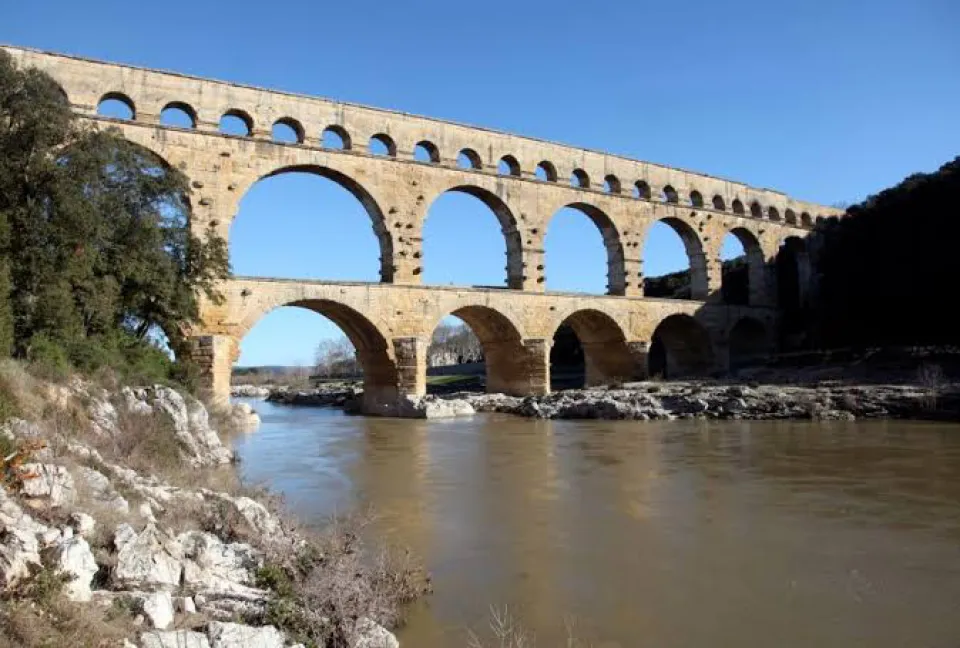
National Geographic Education: Roman Aqueduct
In the East, the Han Dynasty in China constructed the Great Wall, an immense fortification project aimed at protecting the empire from northern invaders. The Han also made significant strides in metallurgy, developing cast iron and steel production techniques that would influence future civilizations.
Administrative and Bureaucratic Innovations
Efficient administration was crucial for managing large empires. The Persians under Cyrus the Great and Darius I implemented an early form of bureaucracy, dividing their empire into satrapies (provinces) governed by satraps (governors). This system allowed for more effective control and resource management across their vast empire.
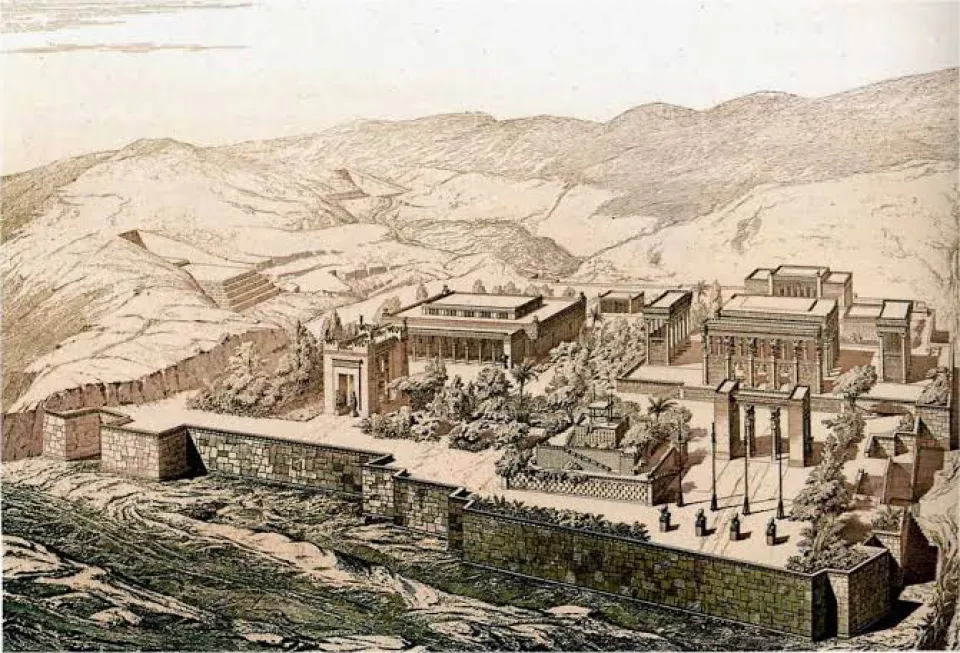
By TheCollector: Persepolis, the ceremonial capital of the Achaemenid Empire, Seat of the King of Kings
The Romans developed an intricate legal system, codifying laws in the Twelve Tables and later, the Corpus Juris Civilis under Emperor Justinian. These legal frameworks not only facilitated governance but also laid the foundation for modern legal systems.
Technological Exchange and Innovation
Empires served as melting pots for cultural and technological exchange. The Silk Road, an ancient network of trade routes, connected the East and West, enabling the flow of goods, ideas, and technologies. Innovations such as paper-making from China, glass-making techniques from the Middle East, and the spread of Greek and Roman knowledge through the conquests of Alexander the Great enriched the technological landscape of the time.

By Discover Magazine: Silk Road Trade Routes
Maritime Innovations
The Age of Empires also saw significant advancements in maritime technology. The Phoenicians, known for their seafaring prowess, developed advanced shipbuilding techniques and navigation skills that enabled them to establish trade networks across the Mediterranean. Their contributions to maritime technology laid the groundwork for future naval exploration and trade.
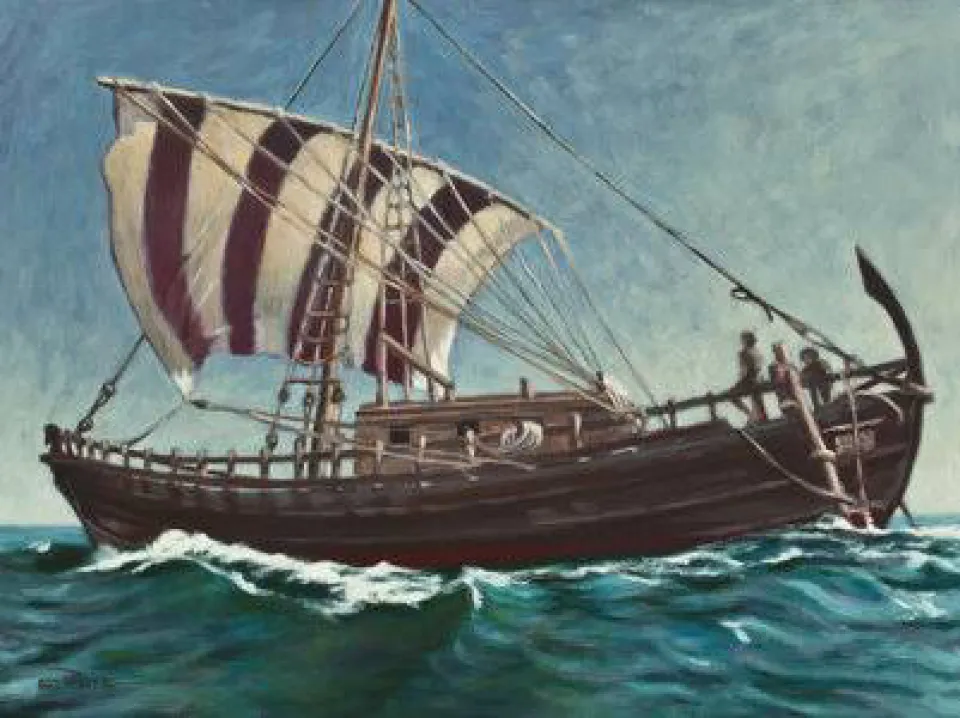
By Ships of Scale: Ancient Phoenecian Trade Boat 1,500 BCE | Ships of Scale
Cultural and Intellectual Flourishing
Empires were not only centers of political and military power but also of cultural and intellectual activity. The establishment of libraries, such as the Library of Alexandria in Egypt, facilitated the accumulation and dissemination of knowledge. Scholars and philosophers, including figures like Aristotle and Confucius, made significant contributions to science, philosophy, and the arts during this period.
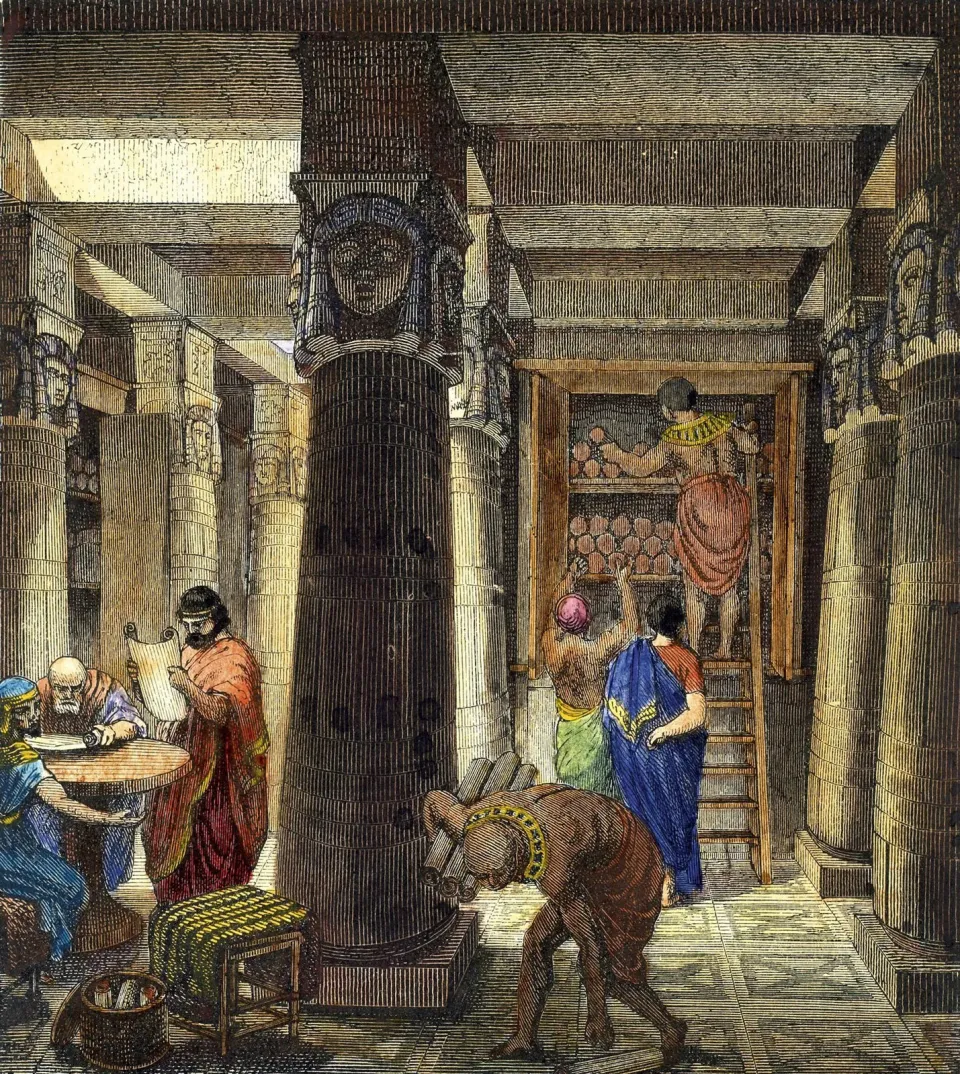
Britannica: Library of Alexandria
The Age of Empires was a period of immense technological and cultural advancement. From military innovations to architectural marvels, the achievements of this era laid the foundations for future civilizations. The exchange of knowledge and technology across empires facilitated progress and set the stage for subsequent technological revolutions.
Join us next time as we continue our journey through history and explore the remarkable innovations of the medieval period in "Unveiling the Origins of Technology: Episode 4 - The Medieval Marvels."