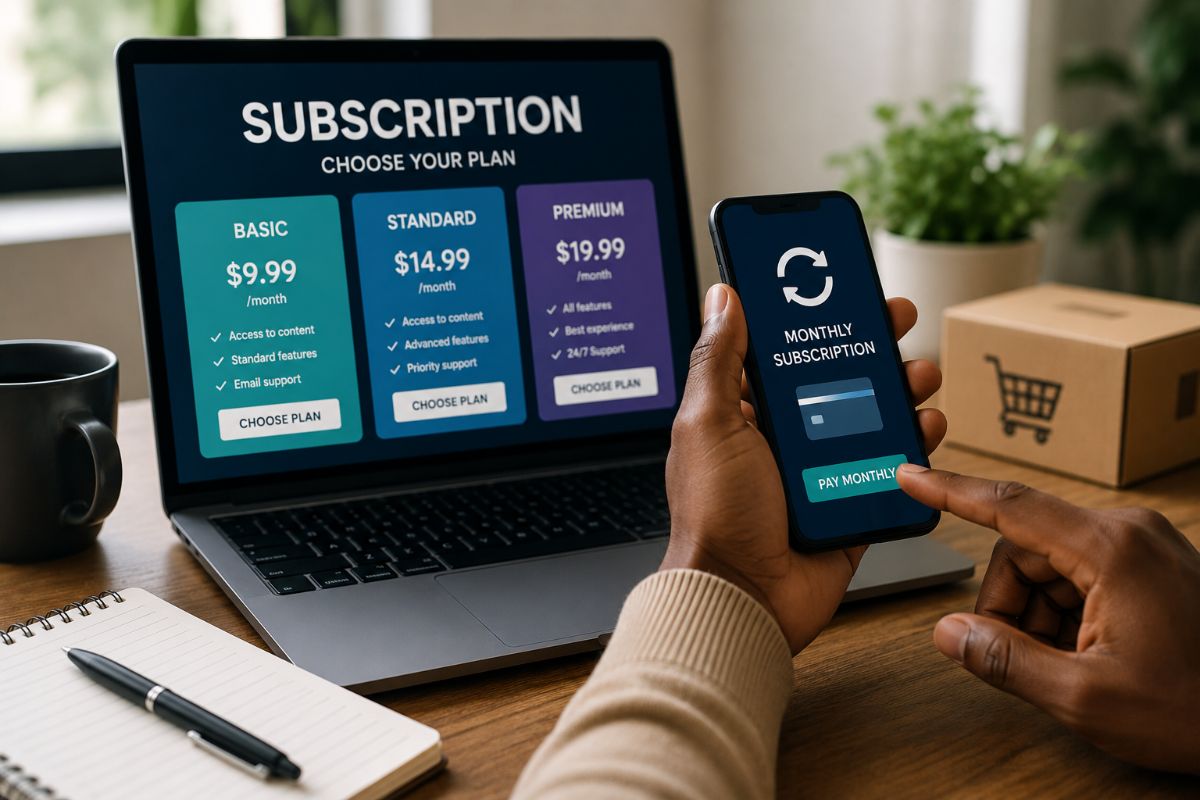
Not long ago, buying something usually meant paying once and owning it forever. Whether it was software, entertainment, or even household products, the transaction ended after the purchase.
Today, that has changed dramatically.
From streaming platforms and cloud storage to meal kits, fitness apps, and beauty boxes, subscription-based services have become a normal part of everyday life. Instead of making one large payment, customers are increasingly choosing to pay smaller amounts every month.
So, why has the subscription economy grown so quickly?
One of the biggest reasons is affordability. Paying a smaller monthly fee often feels more manageable than making a large upfront purchase. It allows customers to access products and services they might otherwise delay or avoid because of the initial cost.
Convenience is another major factor. Subscription services eliminate the need to repeatedly place orders or renew purchases manually. Whether it's music, business software, or groceries delivered to the doorstep, customers appreciate the ease of having what they need available without extra effort.
Subscriptions also offer flexibility. Many companies allow customers to upgrade, downgrade, pause, or cancel their plans whenever their needs change. This sense of control makes people more comfortable committing to a service, knowing they are not locked into a long-term agreement.
For businesses, the subscription model provides more than just predictable monthly income. It creates ongoing relationships with customers instead of one-time transactions. This encourages businesses to continuously improve their products, provide excellent customer support, and deliver consistent value to keep subscribers engaged.
However, a successful subscription business isn't built on recurring payments alone. Customers will only continue paying if they believe they are receiving value every month. If the service becomes repetitive, unreliable, or no longer meets their needs, they won't hesitate to cancel and look elsewhere.
As competition grows, businesses must focus on delivering quality, personalizing customer experiences, and regularly introducing new features or benefits. In the subscription economy, customer loyalty is earned month after month.
The rise of subscription services reflects a broader shift in consumer behaviour. People are no longer just buying products, they are paying for convenience, flexibility, ongoing value, and experiences that fit seamlessly into their daily lives.
Businesses that understand this shift and consistently deliver meaningful value will be better positioned to build stronger customer relationships and achieve long-term, sustainable growth.