I’ve always wondered how a country with so much sunlight still struggles with electricity. It sounds simple, but the more I look into it, the more I realize it’s complicated.
Nigeria gets sunlight every single day. Plenty of it. You’d think that with all this free energy overhead, blackouts wouldn’t be a problem. Yet, a lot of households live in darkness.
So, here’s the question: can solar energy actually work in Nigeria, or is it just another idea we keep talking about but never fully embrace?
Why Solar Seems Like the Obvious Solution
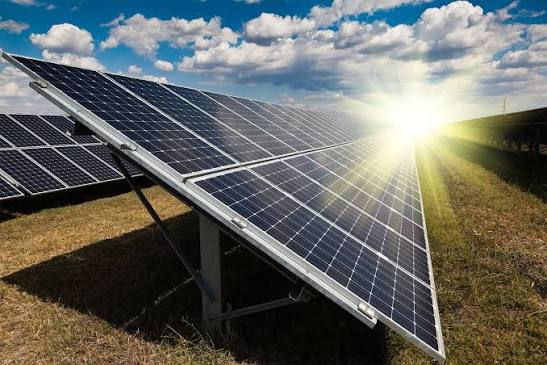
The idea is simple: sunlight hits solar panels, which convert it into electricity. It’s clean, renewable, and basically limitless. For homes, offices, and schools constantly battling an unreliable national grid, solar looks like the perfect fix.
Even better, solar promises independence from noisy generators, lower electricity bills, and a smaller carbon footprint.
So, Why Haven’t We Done It Yet?
Here’s where it gets tricky. Solar panels aren’t cheap. Installing a full system for a house or small business can cost between ₦150,000 and ₦500,000 depending on size. Add maintenance, battery replacements, and occasional efficiency drops due to heat, dust, or rain and suddenly, the cost starts to feel overwhelming.
Then there’s the bigger issue: government support. While a few states are experimenting with solar streetlights and school programs, national incentives are limited. Policies aren’t standardized, and electricity regulation is inconsistent.
Without support, scaling solar to work for millions of households is a huge challenge.
So yes, the questions are valid: can the average Nigerian afford solar? Will it be reliable enough to replace generators? Can it reach every household or school?
But Here’s Why It Can Work
Despite the hurdles, solar energy can work in Nigeria but it requires creativity and small, practical steps.
• Smaller, Affordable Solutions: Mini-grid systems and pay-as-you-go solar kits let families access solar without huge upfront costs.
• Better Technology: Modern solar panels and batteries are more durable and efficient than before. They handle heat, dust, and cloudy days better, and can store energy for use at night.
• Community and Government Initiatives: Some schools are already using solar panels to keep classrooms lit. Solar-powered streetlights in parts of Lagos have improved safety and reduced costs for local governments. These small projects show what’s possible when solar is adapted to local realities.
The Bigger Picture
Solar energy isn’t just about solving blackouts. It’s about independence, sustainability, and innovation. It forces us to rethink how we use resources and challenges us to find solutions that actually fit our environment.
It’s also about empowerment. For small business owners, it means running equipment without fear of losing power. For students, it means studying after dark without distractions. For communities, it’s cleaner streets, safer neighborhoods, and reduced carbon emissions.
The Reality Check
Solar energy won’t fix everything overnight. It won’t magically power every home in Nigeria in a week. Scaling it requires investment, policy support, innovation, and awareness. But every panel installed, every battery charged, every mini-grid connected is a step forward.
We don’t need perfection. We need progress. Small projects, community adoption, and technological innovation can slowly build a solar-powered future that works for Nigeria.
The Question We Can’t Ignore
So, can solar energy power Nigeria? I think it can, but only if we start thinking differently.
The sun rises every day, regardless of what we do. The question is: are we ready to rise with it? Are we ready to make solar energy not just an idea we talk about, but a reality we live every day?