ASUU’s Cry Is Nigeria’s Cry: When the Mind of a Nation Starves, Its Future Withers
R. M. Adisa PhD
Department of Mass Communication
University of Ilorin
It is not a strike of arrogance. It is not a show of defiance. It is a strike born out of pain, frustration, and deep desperation, the kind that comes when those entrusted with shaping the nation’s future can no longer afford the dignity of survival. On 13th October 2025, the Academic Staff Union of Universities (ASUU) began a two-week warning strike. Behind the placards and press releases lies a truth too bitter to ignore: Nigerian academics are fighting not just for themselves, but for the soul of a collapsing education system.
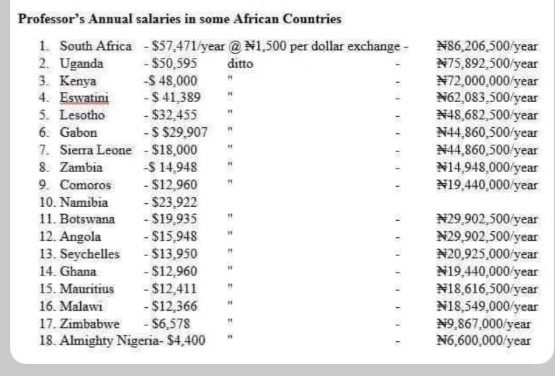
For sixteen long years, Nigerian university lecturers have been shackled to the same meagre salaries, salaries that can no longer feed their families, sustain research, or preserve the honour of a profession built on intellect and service. These are men and women who nurture the nation’s youth, who challenge ignorance and corruption, who build the critical thinkers that every democracy needs. Yet today, they stand weary and forgotten. Our neglect of education is selling off Nigeria’s future.
ASUU’s demands are not outrageous, they are calls for fairness, dignity, and basic functionality. Promises of “robust teaching allowances” have been tossed about like crumbs to the hungry. Committees are set up, reports are written and shelved, and every promise ends in yet another promise. As the elders say, “a promise is like a drum, it sounds loud until you open it.”
In the global academic community, the story of Nigeria’s universities is one of decline and neglect. According to the 2026 Times Higher Education World University Rankings, https://www.topuniversities.com/world-university-rankings?countries=my, South Africa has six universities ranked among the top 600 globally, the University of Cape Town proudly sits at 164th in the world. Ghana’s University of Cape Coast and Uganda’s Makerere University are both ranked between 801 and 1,000. Nigeria’s premier institutions, the University of Ibadan, established in 1948 and the University of Lagos, have only just crept into this same 801–1,000 bracket.
The contrast becomes even starker when compared with Malaysia, once a peer nation in the 1960s and the place where many Nigerians, including me, now categorised as a developed country, leaving Nigeria in her developing rank. Malaysia’s Universiti Teknologi Petronas sits comfortably in the 201–250 range, while six of its other universities rank between 401 and 500 globally (https://www.timeshighereducation.com/student/best-universities/best-universities-malaysia). Nigeria, with its enormous human capital and potential, cannot even break the 700 marks. How can a nation hope to compete globally when its citadels of knowledge are left to rot?
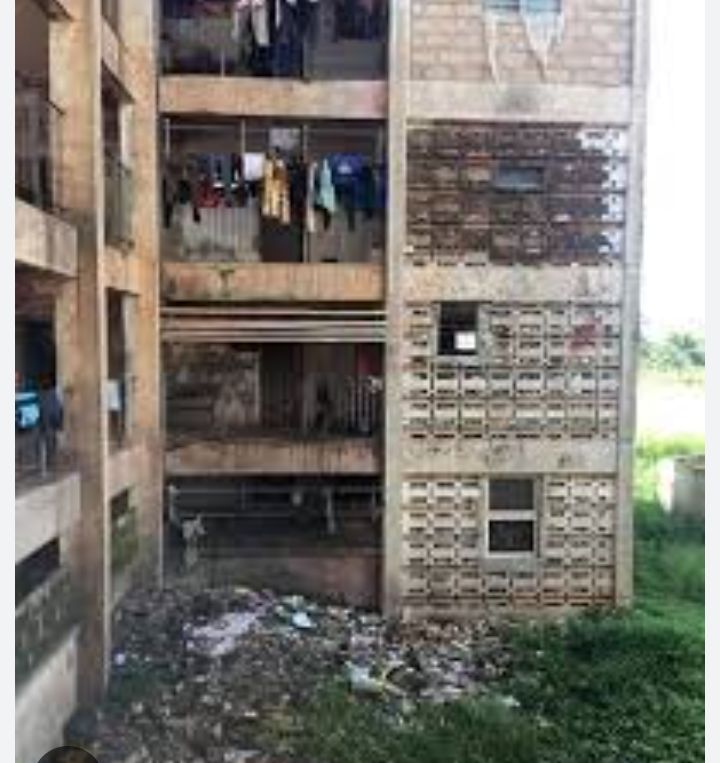
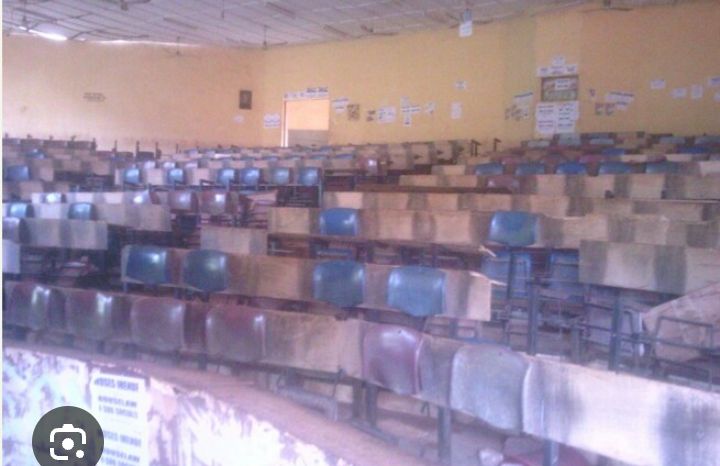
The public must see through the noise. This strike is not about lecturers seeking privilege, it is about lecturers seeking the power to teach effectively, to live decently, and to uphold the value of learning. A nation that starves its thinkers cannot hope to grow. A university system where laboratories are empty, libraries outdated, and lecturers unpaid is not a system of education; it is a system of despair.
ASUU’s struggle is, therefore, a mirror to Nigeria’s conscience. Every dilapidated classroom, every abandoned research lab and project, every underpaid scholar represents a broken promise to the youth of this nation. The rot in our universities is still not beyond redeeming now, before it spills and debases like other aspect of our national life, such as governance to innovation, from healthcare to morality. What is the state of our public secondary schools now? Must we all keep quiet until our universities go down like our public secondary school?
It is time the public stick up with ASUU, not against it. Their fight is not for luxury but for survival; not f