.jpeg?alt=media&token=b5a3eefe-0f87-4b98-8c2f-4dcf7f646a6c)
When a major African pop artist announces a world tour these days, you will see Paris, New York, Toronto and Amsterdam among the dates. You will see multiple nights at London’s O2 Arena – a venue that has become a regular hub for Nigerian pop supremacy. You will see grand, multimillion-dollar stage designs, towering LED screens and meticulously choreographed dancing as artists such as Burna Boy, Wizkid, Asake, Rema, Tyla and Tems have become global stars.
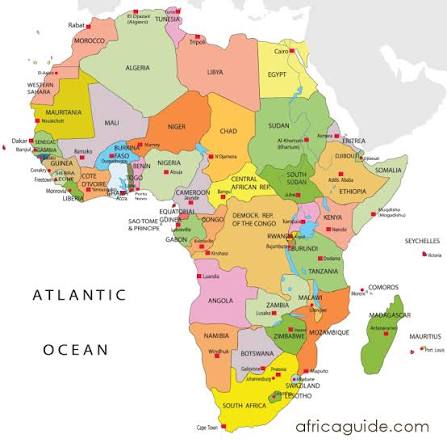
What you will rarely see, however, is a comprehensive, interconnected list of dates in Accra, Nairobi, Johannesburg, Kigali or Luanda: the cities that birthed these acts. It is a central paradox of the current African music surge: the continent’s biggest cultural exports are struggling to perform consistently for audiences across the continent.
This has created a significant cultural gap. Music has played a central role in changing how young Africans are seen globally, replacing outdated narratives with a more dynamic representation of African life. But when an artist writes a song about the gritty realities of Lagos and only performs it in Berlin, a significant aspect of that connection is diminished. It’s left an entire generation of African youth consuming their own culture through their phones.
Over the last five years, pop music has been significantly reshaped by west and south Africa. The continent’s pop icons are no longer marginalised by western audiences and media as “world music” acts: they are the centre of the global pop mainstream. The genres Afrobeats, amapiano, alté and their localised offshoots have generated billions of streams. Yet attempting to route a cohesive, profitable, multi-country arena tour across the African continent remains extremely challenging. Take Rema’s massive 2022 Rave & Roses world tour: while it featured extensive runs across North America and Europe, the African leg consisted of just three stops, in Zambia, Kenya and South Africa.
One of the biggest misconceptions is that artists are choosing not to perform at home,” says Adesegun Adeosun Jr, AKA British-Nigerian promoter King Smade. “In reality, most artists want to connect with their audiences across the continent. The challenge is not demand but execution.”
As the founder of Smade Entertainment and co-founder of Afro Nation – now the world’s largest Afrobeats festival franchise – Adeosun has produced more than 1,000 events. Among them was the 2018 Afro Republik concert in London, which made Wizkid the first African headliner to sell out the 20,000-capacity O2 Arena – a watershed moment that proved African stars could command top-tier western touring real estate.
That infrastructure is lacking on the continent. The absence of an African touring circuit is a story of the legacy of colonial borders, the steep cost of intra-African travel, a shortage of standardised venues and ticketing systems, and a fractured live events economy. “Touring requires consistency across multiple cities, and if even a few stops cannot meet the technical or financial requirements, it affects the viability of the entire tour,” Adeosun says.