Renewable Energy: A Key Technology for a Sustainable Future
Renewable energy has become one of the most important areas in modern science and technology. As the world’s population continues to grow and industrial activities increase, the demand for energy has risen significantly. Traditionally, most energy has been generated from fossil fuels such as coal, oil, and natural gas. However, these sources are limited and contribute heavily to environmental problems such as pollution and climate change. As a result, scientists and engineers are increasingly focusing on renewable energy as a cleaner and more sustainable alternative.
Renewable energy refers to energy obtained from natural sources that are constantly replenished. These sources include sunlight, wind, water, geothermal heat, and biomass. Unlike fossil fuels, renewable energy sources do not run out and produce far fewer harmful emissions. This makes them an important solution for reducing environmental damage while still meeting the global demand for energy.
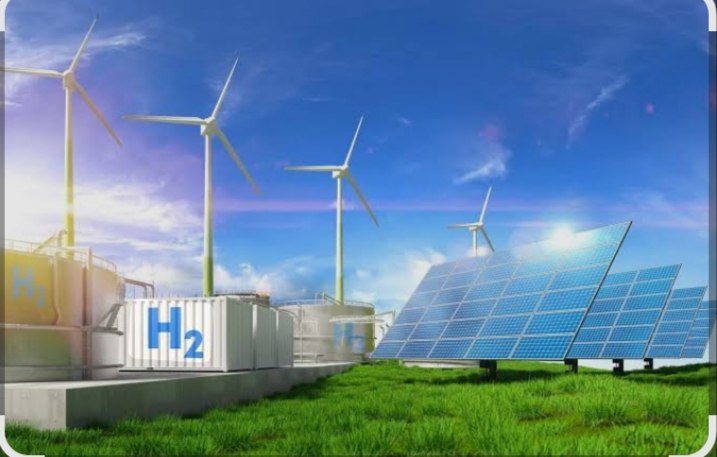
One of the most widely used forms of renewable energy is solar power. Solar technology converts sunlight into electricity using devices known as solar panels. These panels capture energy from the sun and transform it into electrical power that can be used in homes, industries, and public facilities. Solar energy is especially valuable in regions that receive strong sunlight throughout the year, making it a reliable and environmentally friendly energy source.
Wind energy is another rapidly growing renewable technology. Wind turbines are designed to capture the kinetic energy of moving air and convert it into electricity. Large wind farms have been developed in many parts of the world to generate significant amounts of power. Wind energy is clean, renewable, and capable of supplying electricity to large populations when properly managed.
Hydropower is also an important source of renewable energy. It involves generating electricity from the movement of water, usually through dams built across rivers. As water flows through turbines, it produces energy that is converted into electricity. Hydropower has been used for many decades and remains one of the largest sources of renewable electricity in the world.
Despite the many benefits of renewable energy, some challenges still exist. The installation of renewable energy systems can require high initial investment, and certain technologies depend on weather conditions. For example, solar panels require sunlight, and wind turbines depend on wind availability. However, continuous research and technological improvements are helping to make renewable energy more efficient and accessible.
In conclusion, renewable energy represents an essential part of the future of science and technology. By reducing dependence on fossil fuels and minimizing environmental pollution, renewable energy provides a sustainable solution to global energy needs. As innovation continues, renewable technologies will play a crucial role in building a cleaner and more secure energy future for humanity.