The Universal Basic Education Commission has reported a major leap in basic education delivery, announcing that its interventions reached more than 8.7 million learners across Nigeria within a single year.
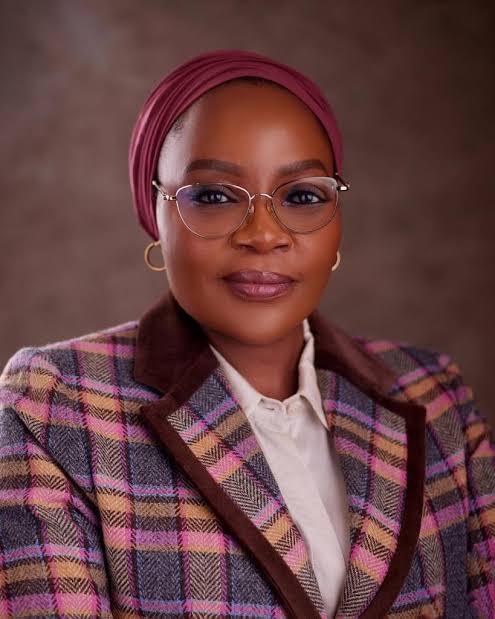
Executive Secretary of UBEC, Aisha Garba, disclosed the figures at the commission’s 29th quarterly meeting with Executive Chairmen of State Universal Basic Education Boards in Abuja. The meeting focused on “Accelerating Basic Education Performance Through Digitally-Enabled Coordination.”
Garba said the impact was achieved through joint interventions by UBEC and state boards, aligning with the federal government’s Renewed Hope Agenda. Learners benefited from new instructional materials, improved classroom conditions, water, sanitation and hygiene facilities, and additional furniture. Nearly 500,000 teachers also received training under the programme.
She described the progress as evidence that the sector is moving away from “business as usual” toward more systematic and large-scale reforms. According to her, a decisive phase has begun in the evolution of universal basic education, with emphasis on planning, coordination, and measurable outcomes.
A key milestone, Garba revealed, is the unlocking of more than N100bn in previously unaccessed funds meant for basic education projects. Over 30 states and the Federal Capital Territory are now actively drawing and utilising these resources, leading to faster project execution. She noted that 95 per cent of projects scheduled within the year had already been completed, signalling improved delivery timelines.
Central to the reform drive is digitalisation. Garba explained that UBEC is not limiting technology to classroom tools but is embedding it in the management and processes of basic education. From 2026, basic education action plans are expected to be fully digitised, enabling real-time tracking of needs, projects, and funding across states.
The system, she said, will allow federal authorities, state governments, and development partners to access up-to-date data, strengthening transparency and accountability. However, she warned that infrastructure gaps remain stark, citing schools with thousands of pupils and fewer than 10 toilets as examples of unacceptable conditions that must be addressed through enforceable minimum standards.
Dean of SUBEB Chairmen and Kwara State SUBEB Chairman, Professor Shehu Adaramaja, welcomed the digital reform agenda but cautioned that its success depends on readiness, infrastructure, capacity, and reliable electricity. Technology alone, he argued, cannot resolve coordination problems without proper alignment among institutions.
Adaramaja noted that improved digital systems are already helping states track classrooms built, teachers trained, and funds utilised, creating opportunities for peer learning as states replicate effective models. UBEC’s Deputy Executive Secretary (Technical), Rasaq Akinyemi, added that the commission will prioritise consolidating these gains and deepening coordination with states as Nigeria continues to confront longstanding challenges in infrastructure, teacher deployment, and learning resources.