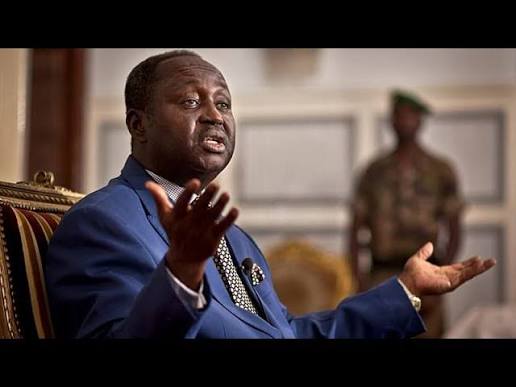
The defence team for former Central African Republic president François Bozizé has accused the country’s Special Criminal Court of breaching basic procedural safeguards as his landmark crimes against humanity trial moves forward in his absence.
Bozizé, who seized power in a 2003 coup and ruled until his overthrow a decade later, is being tried by the UN-backed hybrid tribunal for alleged crimes against humanity and war crimes committed between 2009 and 2013. Prosecutors say security forces and allied militias loyal to him carried out murder, enforced disappearances and torture in Bangui and other towns including Bossembélé and Bouar during a period of mounting rebellion and political repression.
The former head of state is currently in exile in Guinea-Bissau and has refused to appear before the court. His lawyers argue that the legal conditions for a trial in absentia have not been met. They contend that, under Central African law, the ministers of justice and foreign affairs must be formally notified when a former president is to be tried abroad or in absentia, and that this requirement has been ignored.
The defence has asked the judges to suspend proceedings until those notifications are properly issued, insisting that failure to do so undermines Bozizé’s right to a fair trial and could taint any eventual verdict. They also argue that trying a former head of state without exhausting all diplomatic avenues to secure his appearance risks turning a historic accountability process into what they describe as a purely symbolic exercise.
Judges at the Special Criminal Court have rejected those objections, maintaining that the trial is legally sound. They point to a public arrest warrant issued against Bozizé and say he has been duly informed of the charges but has chosen not to cooperate. Under the court’s statute, they argue, that is sufficient to proceed in his absence.
Bozizé is being tried alongside three former senior military officers accused of commanding or enabling units implicated in atrocities. Human rights groups say the case is a crucial test of the Special Criminal Court’s ability to deliver justice for victims of decades of conflict in the Central African Republic, while defence lawyers warn that any perception of shortcuts or political pressure could erode the tribunal’s credibility at home and abroad.