Introduction
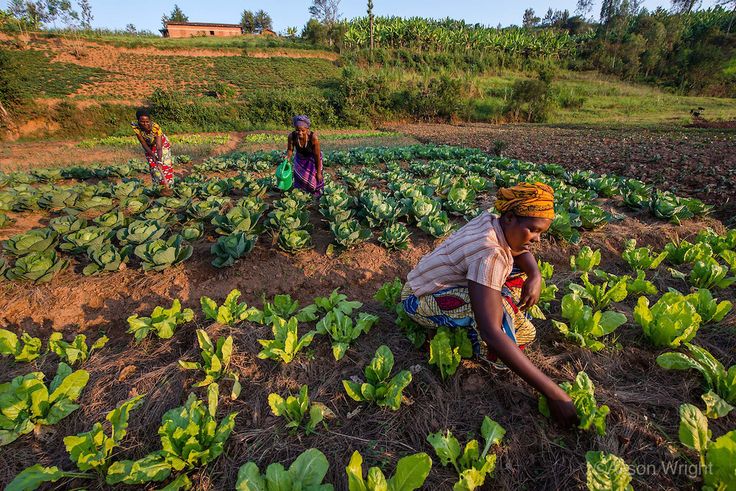
Agriculture has always been the backbone of Nigeria’s economy. From rice and maize to cassava and vegetables, farming feeds the nation and provides jobs for millions of families. Yet for many years, Nigerian farmers relied on traditional methods (hoes, cutlasses, and guesswork) which often resulted in low yields and food shortages.
Today, science and technology are changing that story. Through Agricultural Technology (AgriTech), farming in Nigeria is becoming smarter, faster, and more productive.
What is AgriTech?
Agricultural Technology, or AgriTech, is the use of modern science, machines, and digital tools to improve farming.
It includes:
-Tractors and harvesters
-Irrigation systems
-Improved seeds and fertilizers
-Mobile farming apps
-Weather forecasting tools
-Drones and smart monitoring systems
These technologies help farmers grow more food with less stress.
Modern Farming Tools in Nigeria
1. Mechanised Farming
Instead of manual labour, many farmers now use:
-Tractors for ploughing
-Planters for sowing seeds
-Harvesters for faster harvesting
This saves time and increases production. What used to take weeks can now be done in hours.
2. Digital & Mobile Farm Solutions
Technology is not only about machines, smartphones are helping too.
Farmers now use apps to:
-Check weather forecasts
-Learn modern farming methods
-Get market prices
-Sell produce online
-Receive loans or insurance
Some startups even use drones to monitor crops and detect plant diseases early.
Benefits of AgriTech in Nigeria
1. Increased Food Production
Better seeds and machines mean more harvests and less food scarcity.
2. Reduced Hard Labour
Technology reduces stress and physical strain, especially for elderly farmers.
3. More Income for Farmers
Access to market information helps farmers sell at better prices and avoid middlemen exploitation.
4. Youth Involvement
Young Nigerians now see farming as profitable and modern, not outdated. Many graduates are entering agribusiness and farm tech startups.
5. National Food Security
With higher productivity, Nigeria depends less on food importation.
Challenges Facing AgriTech
Despite improvements, some problems remain:
- High cost of machines
- Poor rural roads
-Limited electricity supply
-Lack of training
-Limited internet in villages
-Government support, subsidies, and farmer education can help solve these issues.
The Future of Farming in Nigeria
The future of agriculture in Nigeria is exciting. Experts predict:
- Smart farms using sensors
- AI-based crop monitoring
- More irrigation systems
- Greenhouse farming
- Online produce marketplaces
With these developments, Nigeria could become one of Africa’s largest food producers.
Conclusion
Agricultural technology shows that science is not only for laboratories or computers. it also belongs on the farm. By combining tradition with innovation, Nigerian farmers can feed the nation more efficiently and live better lives.
AgriTech proves that when science meets agriculture, everyone benefits.
5