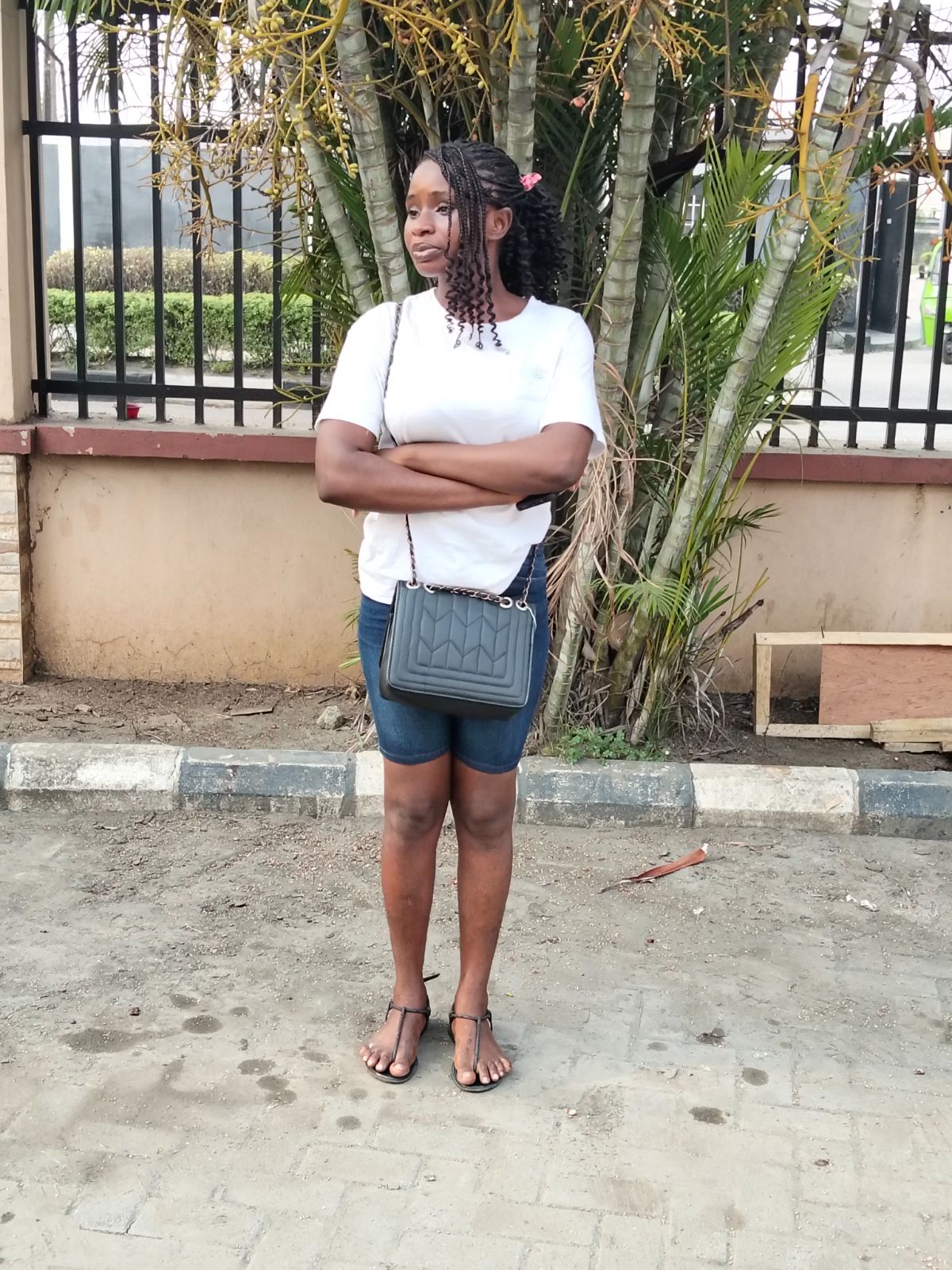
She kept checking her phone.
Not because she expected a message anymore.
At least, that's what she told herself.
But every few days, she'd open their old chat, scroll through the conversations, read the last message again, and wonder what went wrong.
There had been no proper goodbye.
No final conversation.
No explanation.
One day, they were talking every day. The next, the replies became shorter. Then they became less frequent.
And eventually, there was nothing.
She had questions.
Was it something I did?
Did they ever really love me?
Why couldn't they just tell me the truth?
She waited for an explanation that never came.
Months passed, but she remained emotionally stuck in a conversation that had already ended.
Then one evening, she finally realized something:
Maybe closure wasn't coming.
And if she kept waiting for someone else to give her permission to move on, she might spend years standing in the same place.
That's when she began learning how to create her own closure.
Sometimes, the explanation you want will never come.
We often think healing begins when the other person explains themselves.
We imagine they'll eventually call, apologize, tell us what happened, and everything will suddenly make sense.
Sometimes that happens.
But sometimes it doesn't.
Sometimes people leave without explaining.
Sometimes you never find out why someone changed.
Sometimes the apology never comes.
Sometimes the person who hurt you doesn't even understand how deeply they hurt you.
And that's one of the hardest things about heartbreak:
You may have to heal from something you never fully understood.
But healing doesn't have to wait for an explanation.
Stop making their answer responsible for your peace.
Closure can be helpful, but it isn't always necessary.
You don't need someone to admit they were wrong before you're allowed to acknowledge that what happened hurt you.
You don't need them to regret losing you before you can move forward.
You don't need to know whether they think about you.
And you certainly don't need to prove that you were worth loving.
Sometimes, the behaviour itself is the answer.
They stopped communicating.
They stopped showing up.
They stopped choosing the relationship.
As painful as that is, you can accept what happened without understanding every reason behind it.
Tell yourself the truth.
Instead of asking:
“Why did they do this to me?”
Try asking:
“What did this experience teach me?”
Maybe it taught you that you ignored your instincts.
Maybe you learned that you were accepting less than you deserved.
Maybe you discovered that you had attached your happiness to someone else's presence.
Maybe you learned what you never want to experience again.
Pain doesn't become meaningless just because the relationship ended badly.
You can take the lesson without carrying the wound forever.
Stop reopening the wound.
Sometimes we say we want closure, but what we're really doing is looking for reasons to stay emotionally connected.
Checking their social media.
Reading old messages.
Asking mutual friends about them.
Replaying the final conversation.
Imagining what you would say if they came back.
Every time you do this, you may be reopening something you're trying to heal.
Healing sometimes requires distance.
Not because you hate the person.
But because you finally want peace more than answers.
Forgive yourself too.
This part is often forgotten.
Forgive yourself for staying too long.
Forgive yourself for ignoring the signs.
Forgive yourself for loving someone who couldn't love you the way you needed.
Forgive yourself for hoping.
You made the best decisions you could with the information, feelings, and understanding you had at the time.
You don't have to punish your past self forever.
And eventually, you realize something beautiful.
Closure doesn't always arrive as a conversation.
Sometimes closure is waking up one morning and realizing you no longer need to check your phone.
Sometimes it's deleting the old messages without feeling the need to read them one last time.
Sometimes it's hearing their name and feeling nothing.
Sometimes it's remembering the relationship without wishing you were still in it.
And sometimes closure is simply saying:
“I may never understand why it happened, but I know I deserve to move forward.”
You don't need the perfect ending to begin a new chapter.
You don't need their permission to heal.
You don't need an apology to choose peace.
Sometimes, the closure you've been waiting for has to come from you.
And that's okay.
Because healing isn't always about getting the answers.
Sometimes, healing is learning to live peacefully with the questions.